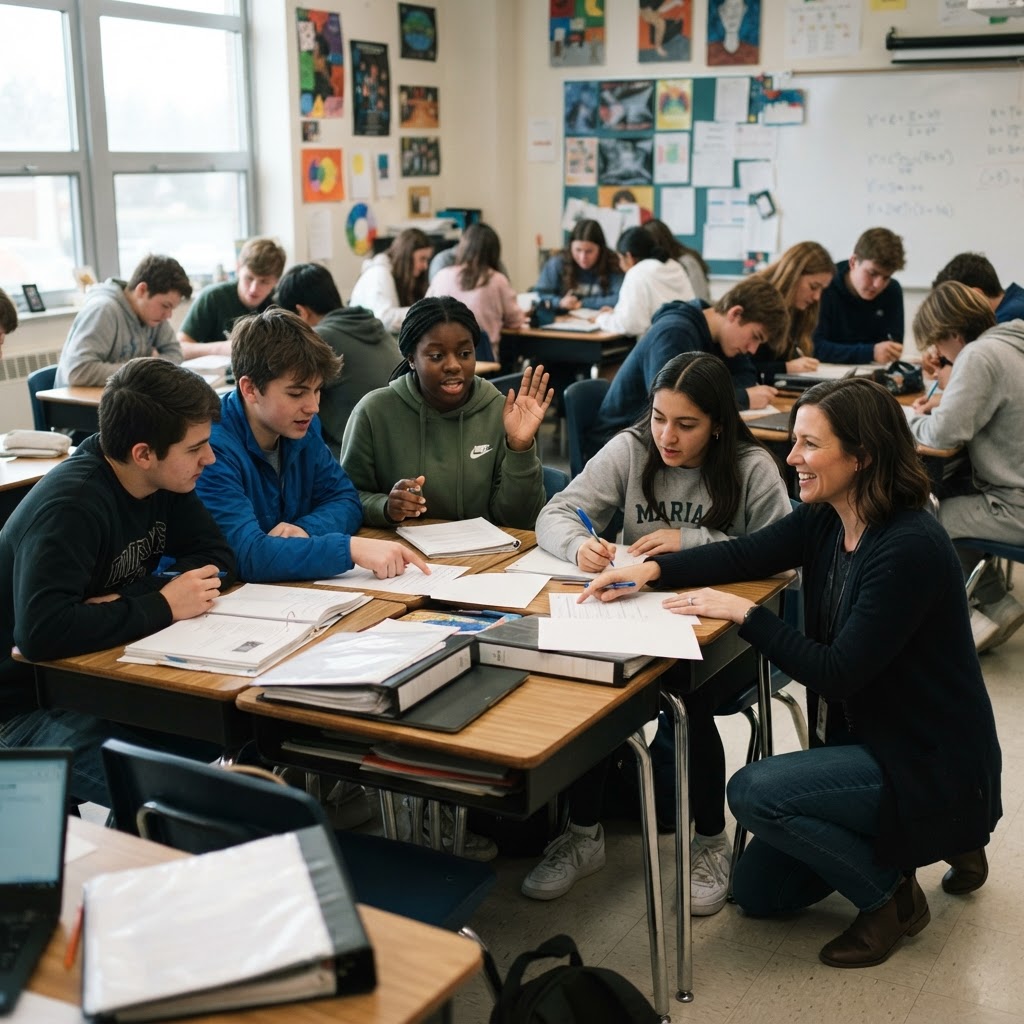
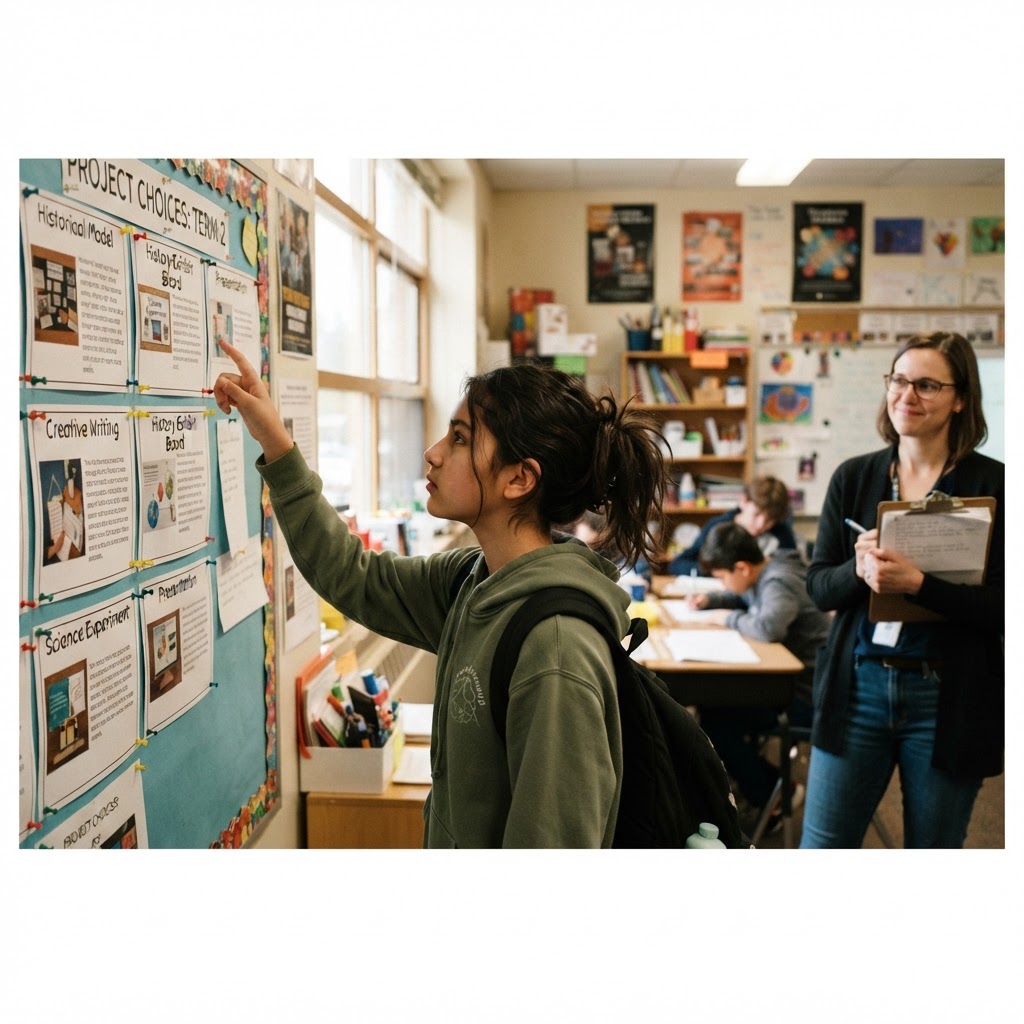
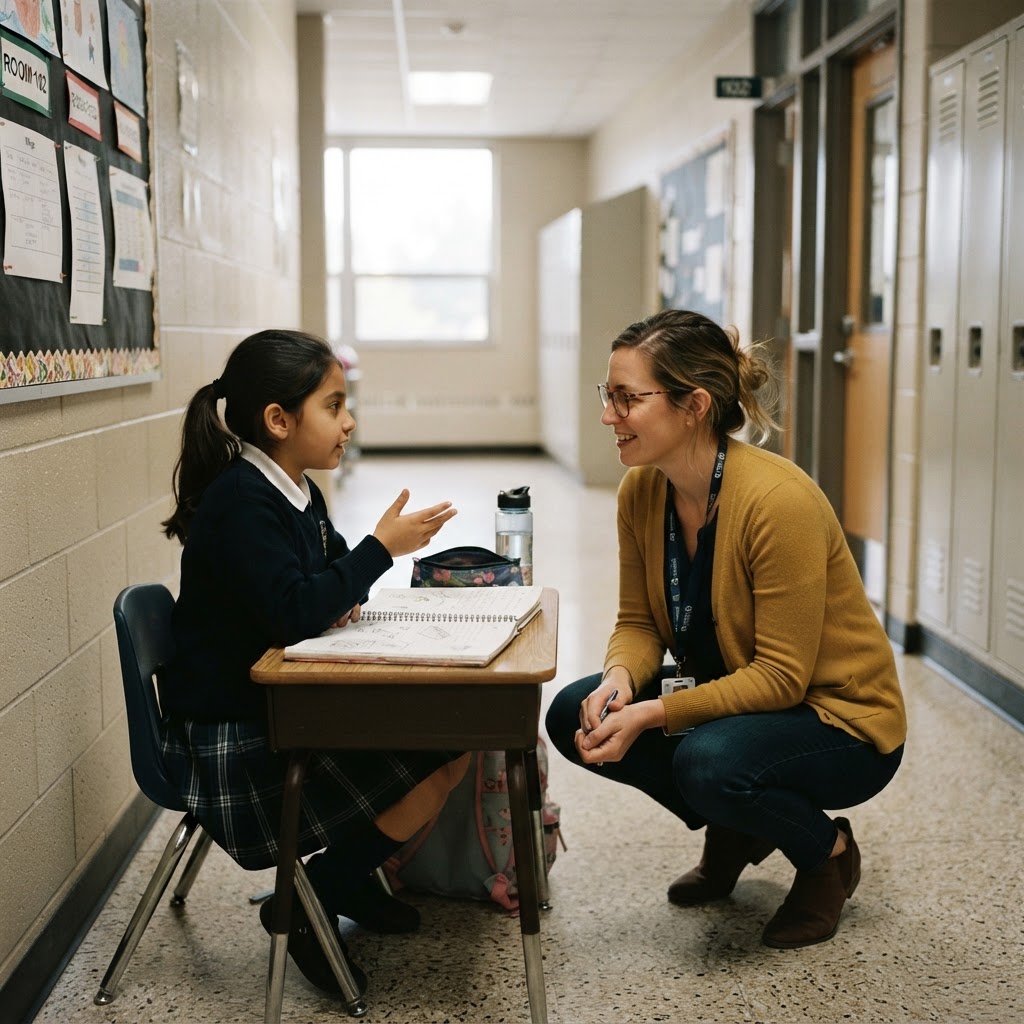
In 2014, a team led by Scott Freeman published the most cited education meta-analysis of the decade in PNAS: 225 studies comparing active learning with traditional lecturing in STEM courses. The verdict was unusually blunt for academic prose. Students in traditional lectures were 1.5 times more likely to fail. Average exam performance rose by 0.47 standard deviations under active learning — a student at the 50th percentile of a lectured class would land at the 68th percentile of the same course taught actively.
What Counted as "Active Learning"
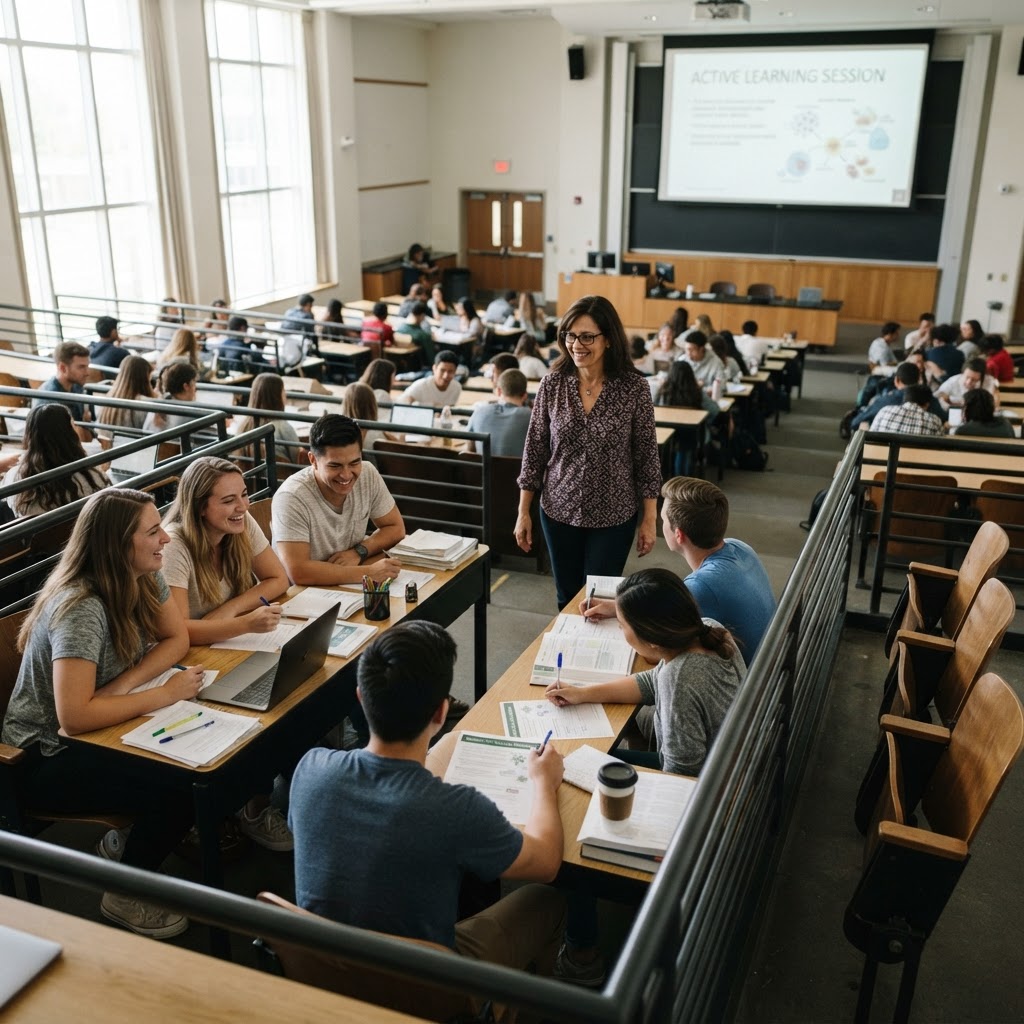
The interventions were modest, which is the finding's best news for practitioners: occasional group problem-solving, worksheets completed in class, clicker questions with peer discussion, studio formats. Not pedagogical revolution — minutes per class where students had to do something with the content while the teacher watched. And the effect held across every class size, discipline, and course level tested. The authors' conclusion was pointed enough to quote directly: the results "support active learning as the preferred, empirically validated teaching practice in regular classrooms."
The PNAS paper closes with an equity finding that deserves more attention than the headline: active learning conferred disproportionate benefits for students from disadvantaged backgrounds and for women in male-dominated fields. Lecture is not neutral — it quietly filters for students who already arrived supported.
What It Does NOT Say
A fair reading avoids two overcorrections. First, it does not say activity is sufficient: the authors note the studies ranged from 10-15% of class time on clicker questions to fully lecture-free designs, and the field cannot yet rank intensities. Second, it does not mean "any activity beats any explanation" — a badly designed group task that avoids the actual concept produces activity without learning. The active part must be about the content: explaining, applying, predicting, comparing. The research on retrieval practice (covered later in this series) fills in the mechanism.
Two Moves to Start Monday
- Convert one explanation into one question: instead of walking through a worked example, display the problem, let everyone commit to a prediction on paper, then reveal and discuss the gap. Three minutes. The heart of peer instruction.
- End class with two minutes of writing, not talking: "the muddiest point of today" — collected, sorted, and opened the next class. It is the smallest possible active-learning loop and doubles as your formative data.
The scale of the evidence is what makes this series' topic safe to assert: if a teaching choice exists purely because it transmits more content per minute, this literature prices that efficiency — a third more failures. The trade is not close.