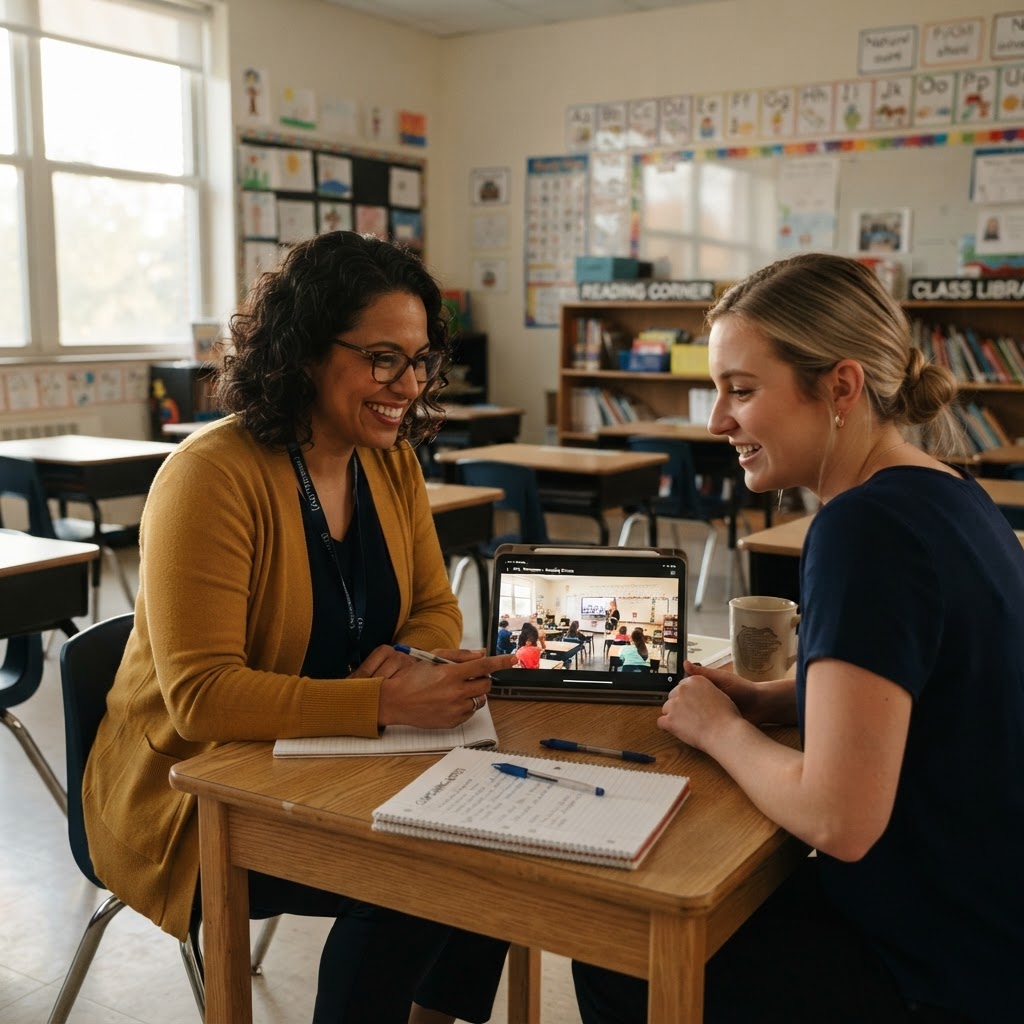
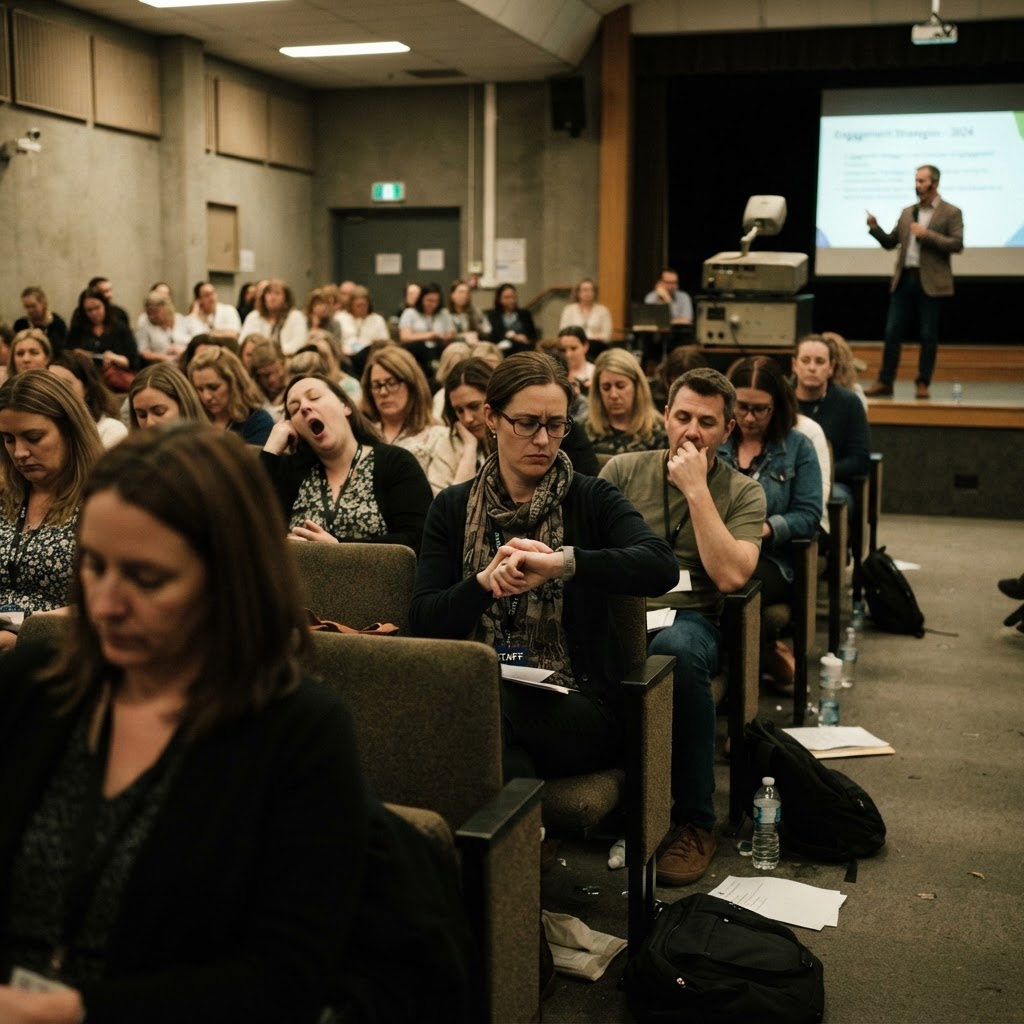
Professional learning communities are everywhere — but too many PLC meetings are logistics meetings with a nicer name. The research on what makes them work is clear. Vescio, Ross, and Adams' review of studies on PLC impact (Teaching and Teacher Education, 2008) examined programs across the US and England and found a consistent pattern: when teachers met around student learning rather than administration, teaching became more reflective and more student-centered, and student achievement rose.
What Separates a Real PLC
- Shared values around learning — the group's purpose is student outcomes, not paperwork.
- Collective focus on student work — meetings orbit real artifacts: essays, problems, exit tickets, data.
- Deprivatized practice — teachers open their classrooms to each other through observation and shared planning.
- Collaborative inquiry — the team tests changes together and compares results.
The review's key conclusion: PLCs changed teaching most when they were "deprivatized" — when what happened behind the classroom door became a shared object of study.

A Meeting Audit
Look at your last three PLC agendas. If more than a quarter of the time went to schedules, field trips, and duty rosters, the meeting is a committee, not a PLC. The highest-leverage 30 minutes in the research is deceptively simple: everyone brings one piece of student work, and the team asks what the student was thinking and what to try next.