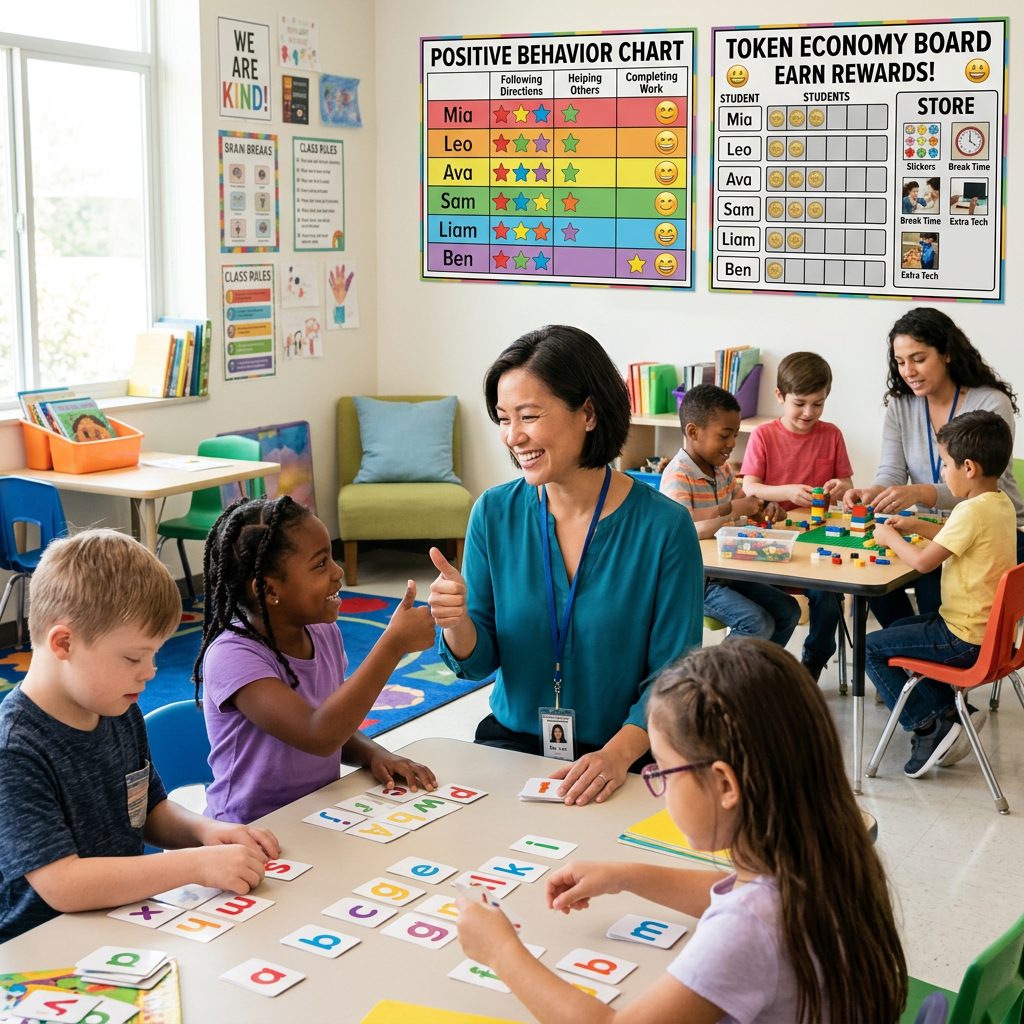
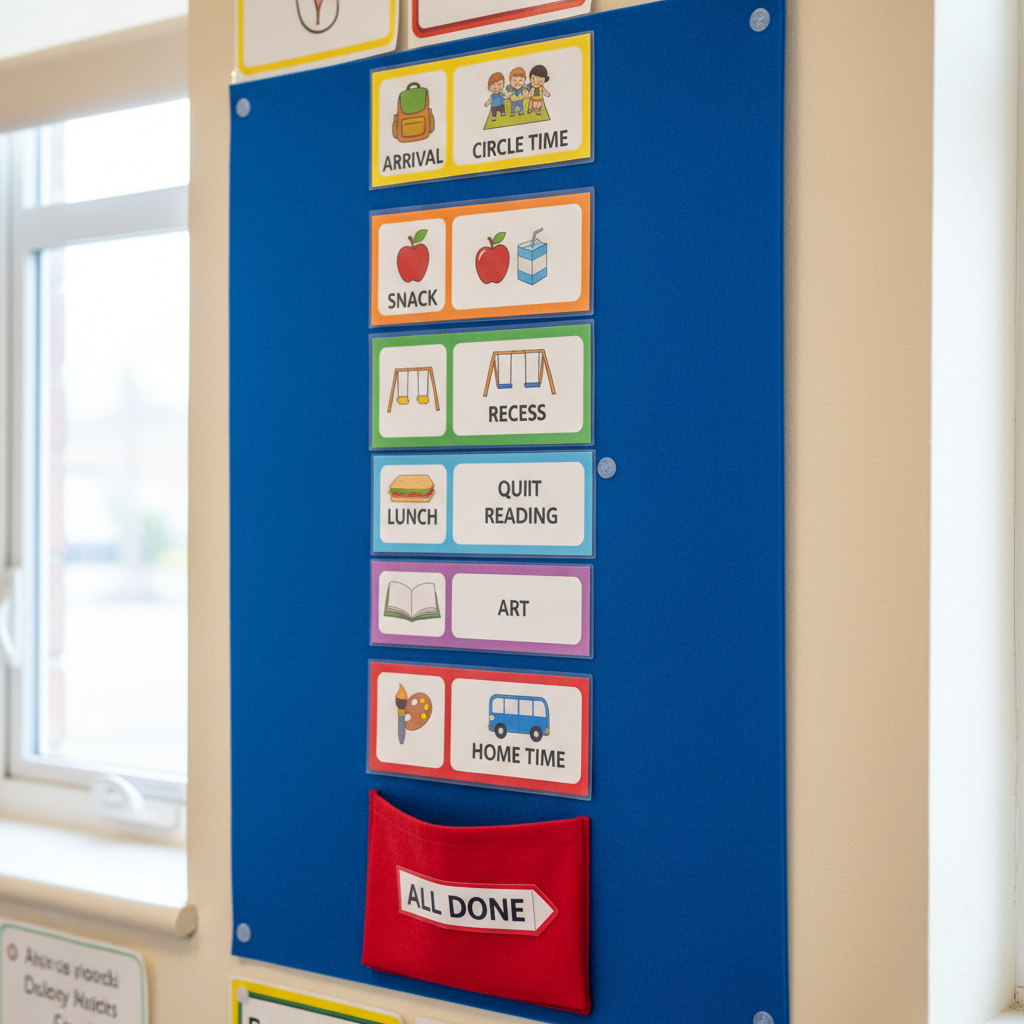
For many students in special education, the classroom environment itself can be either a powerful ally or an invisible barrier. Fluorescent lights, unexpected noises, crowded spaces, and visual clutter can overwhelm a sensory-sensitive child within minutes. A sensory-friendly classroom is intentionally designed to reduce unnecessary stimulation while providing regulated access to sensory input that helps students stay calm, focused, and ready to learn.
Why Sensory-Friendly Design Matters
Research consistently shows that the physical environment directly impacts student behavior, attention, and academic performance. For students with autism spectrum disorder (ASD), ADHD, sensory processing disorder, or anxiety, an overstimulating environment can trigger meltdowns, shutdowns, and disengagement. By proactively designing your space, you reduce the need for reactive behavior management.
📊 Impact of Sensory-Friendly Design on Student Outcomes
Reduced Sensory Meltdowns
Improved Task Focus
Better Transitions
Increased Engagement
Fewer Disruptions
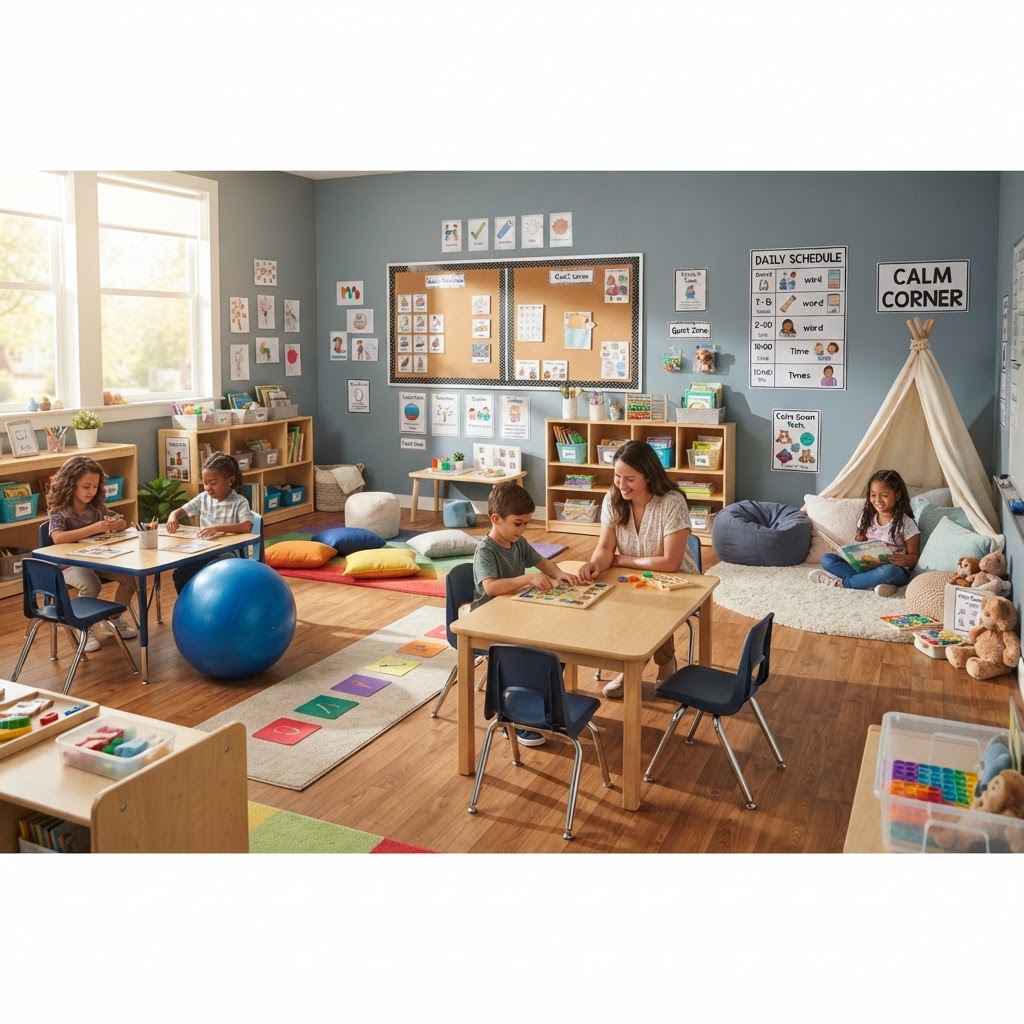
The Five Sensory Zones Every Classroom Needs
A truly sensory-friendly classroom is organized into distinct zones, each serving a specific regulatory purpose. Think of your room as an ecosystem where students can move between zones based on their needs throughout the day.
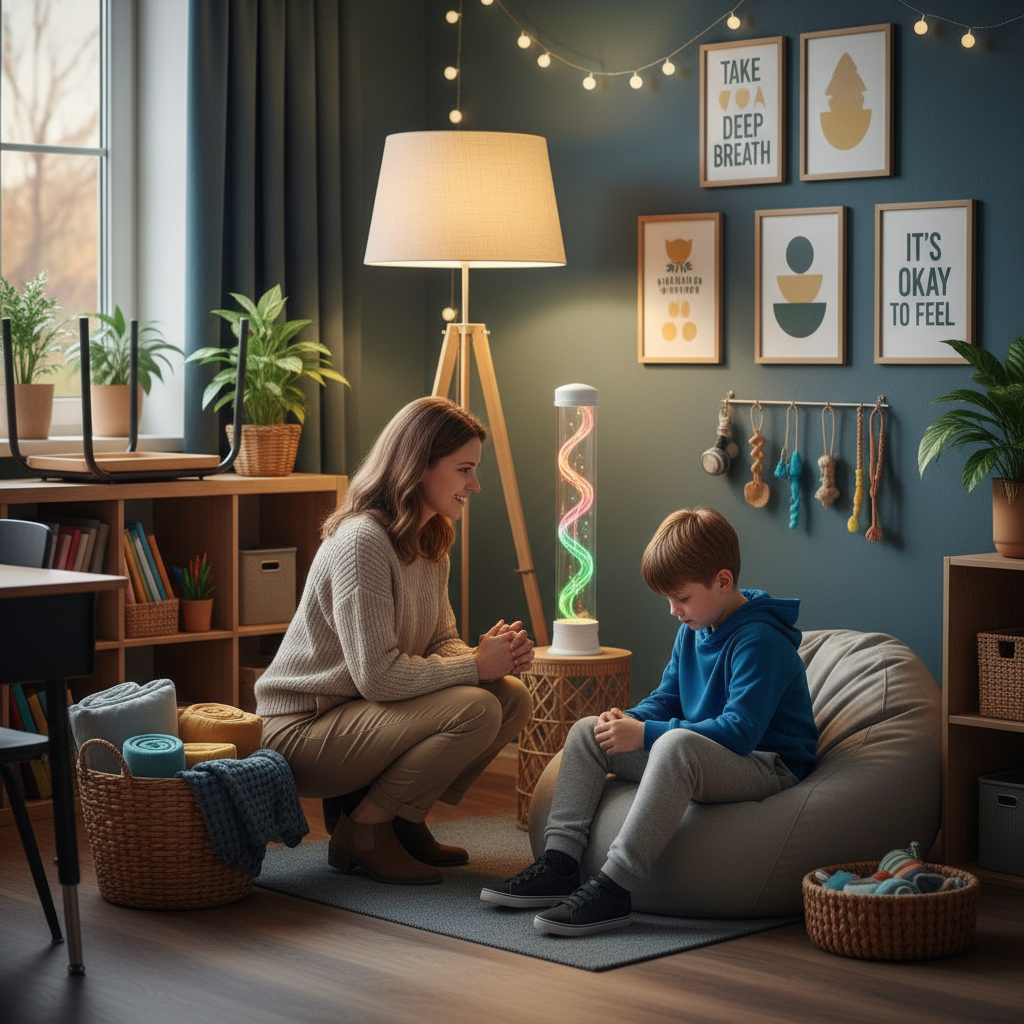
1. The Calm Corner (Regulation Zone)
Designate a quiet, enclosed space with soft lighting, comfortable seating (bean bags, floor cushions), visual barriers, and a small collection of calming sensory tools. This is a proactive space — not a punishment area. Students learn to recognize when they need a break and self-advocate for using it.
- Visual barrier: A pop-up tent, bookshelf, or fabric panel creates a sense of enclosure
- Lighting: Use a small lamp with warm bulb instead of overhead fluorescents
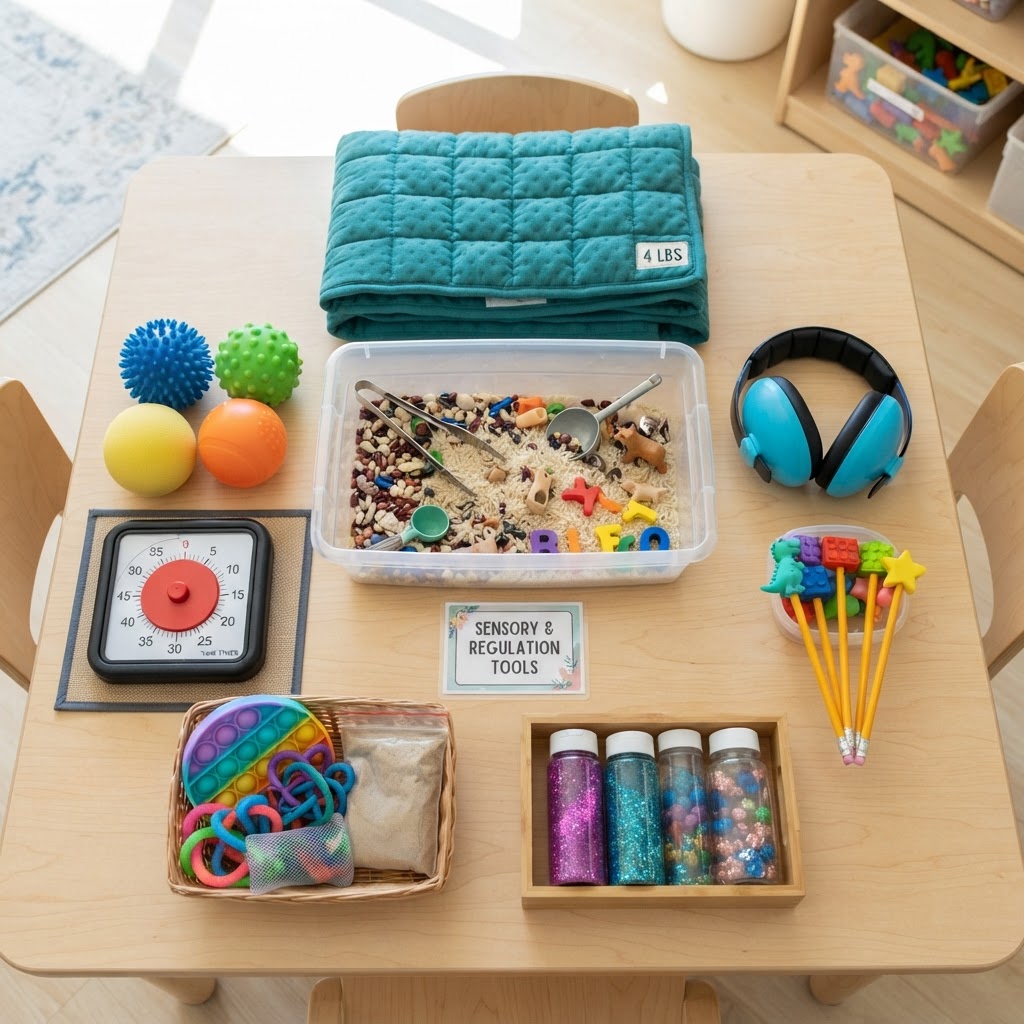
- Tools: Weighted lap pad, noise-canceling headphones, visual timer
- Expectations: 3–5 minute self-regulated breaks with a visual timer
💡 Pro Tip
Introduce the calm corner during calm moments — never during a crisis. Practice using it as a class routine so it feels neutral, not punitive.
2. The Sensory Break Area (Movement Zone)
Some students need more sensory input, not less. A movement zone with a mini-trampoline, resistance bands on chair legs, therapy balls, or a sensory path allows students to get proprioceptive and vestibular input that helps them regulate.
3. The Work Zone (Focus Area)
Keep work areas visually clean and organized. Use minimal wall decorations near desks, labeled storage, and consistent color coding. Consider desk dividers or study carrels for students who are easily distracted by peers.
4. The Group Area (Social Zone)
Define this space with a rug or floor markers. Keep it separate enough from work zones that movement and collaboration don't disrupt students who need quiet focus.
5. The Transition Space (Buffer Zone)
Hallways, doorways, and entry areas are high-traffic and high-stimulus. Keep these areas clear of clutter and use them as predictable buffer zones where students can prepare mentally for what comes next.
📊 Most Effective Sensory Modifications (Teacher Reported)
Dimmer Lighting
Visual Clutter Reduction
Calm Corner Access
Flexible Seating
Sound Dampening
Lighting: The Hidden Trigger
Fluorescent lighting is one of the most common — and most overlooked — sensory triggers. The flicker and hum can cause headaches, eye strain, and sensory overload for sensitive students. If replacing fixtures isn't possible, try these modifications:
- Use light filter panels that fit over fluorescent fixtures to soften and warm the light
- Bring in natural light whenever possible — open blinds and arrange seating near windows
- Offer task lighting via small desk lamps for focused work
- Allow sunglasses or visors indoors for students with light sensitivity
Getting Started: A Simple Action Plan
You don't need a budget overhaul to make meaningful changes. Start small and build:
- Audit your space — Sit at student level and look around. What's visually overwhelming?
- Declutter one zone per week — Remove unnecessary wall content and organize materials
- Create a calm corner — Even a small space with a cushion and headphones is a start
- Add sensory tools gradually — Teach expectations for each tool before adding the next
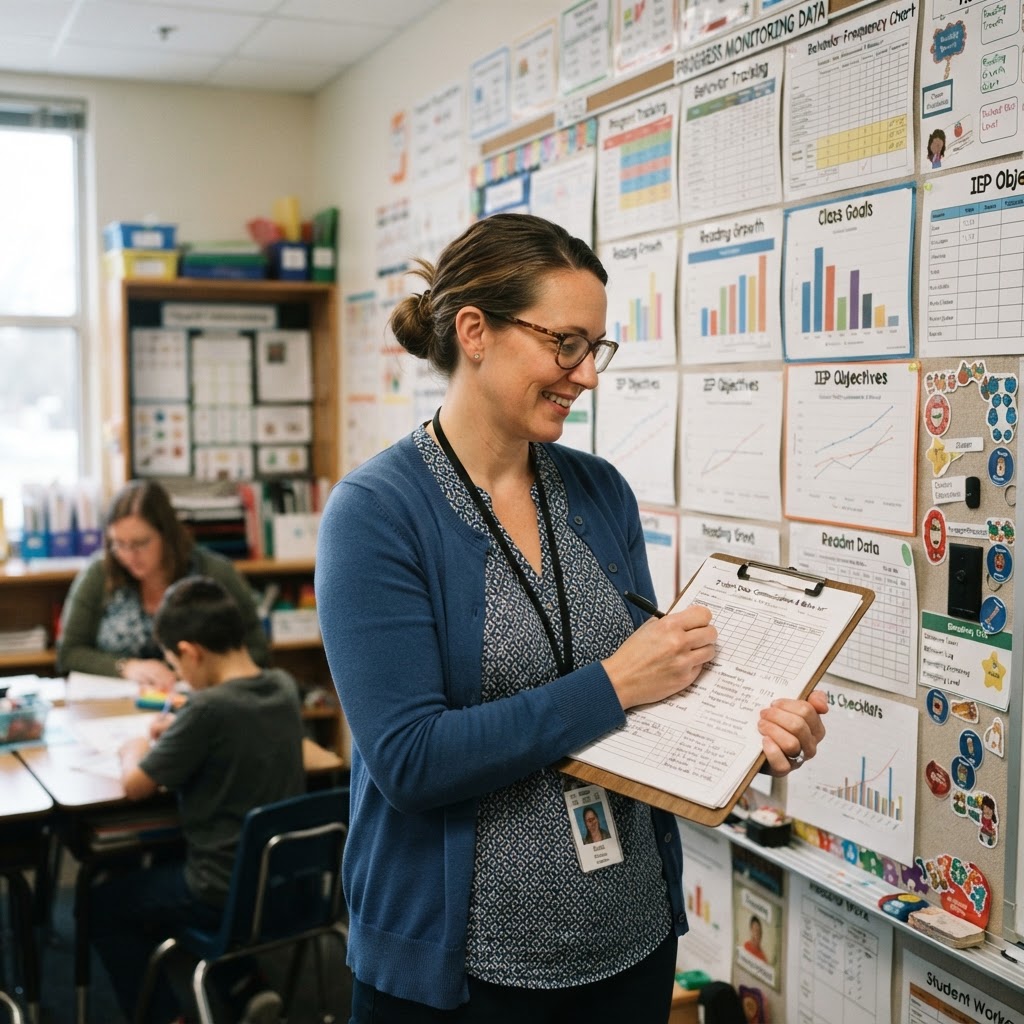
- Collect data — Track behavior incidents before and after modifications to measure impact
💡 Remember
Every student's sensory profile is unique. What calms one child may dysregulate another. Individualize, observe, and adjust continuously.
Conclusion
A sensory-friendly classroom is not about making things "pretty" — it's about engineering an environment where every student can access learning. When we reduce unnecessary sensory barriers, we reduce behavior challenges, increase engagement, and send a powerful message: this space was designed with you in mind.