Every special educator will face moments when a student moves from regulated to dysregulated — from frustrated to in crisis. De-escalation is the art and science of guiding a student back from that edge. It is not about control or compliance. It is about co-regulation, safety, and preserving the relationship that makes future learning possible.
Understanding the Crisis Cycle
Behavior escalation follows a predictable cycle. When you understand the phases, you can match your response to what the student actually needs — and avoid the reactive mistakes that pour fuel on the fire.
📊 The Crisis Cycle: Phases and Recommended Response
Calm
Trigger
Agitation
Acceleration
Peak (Crisis)
De-escalation
Recovery
Phase 1: Calm — Prevention Is Everything
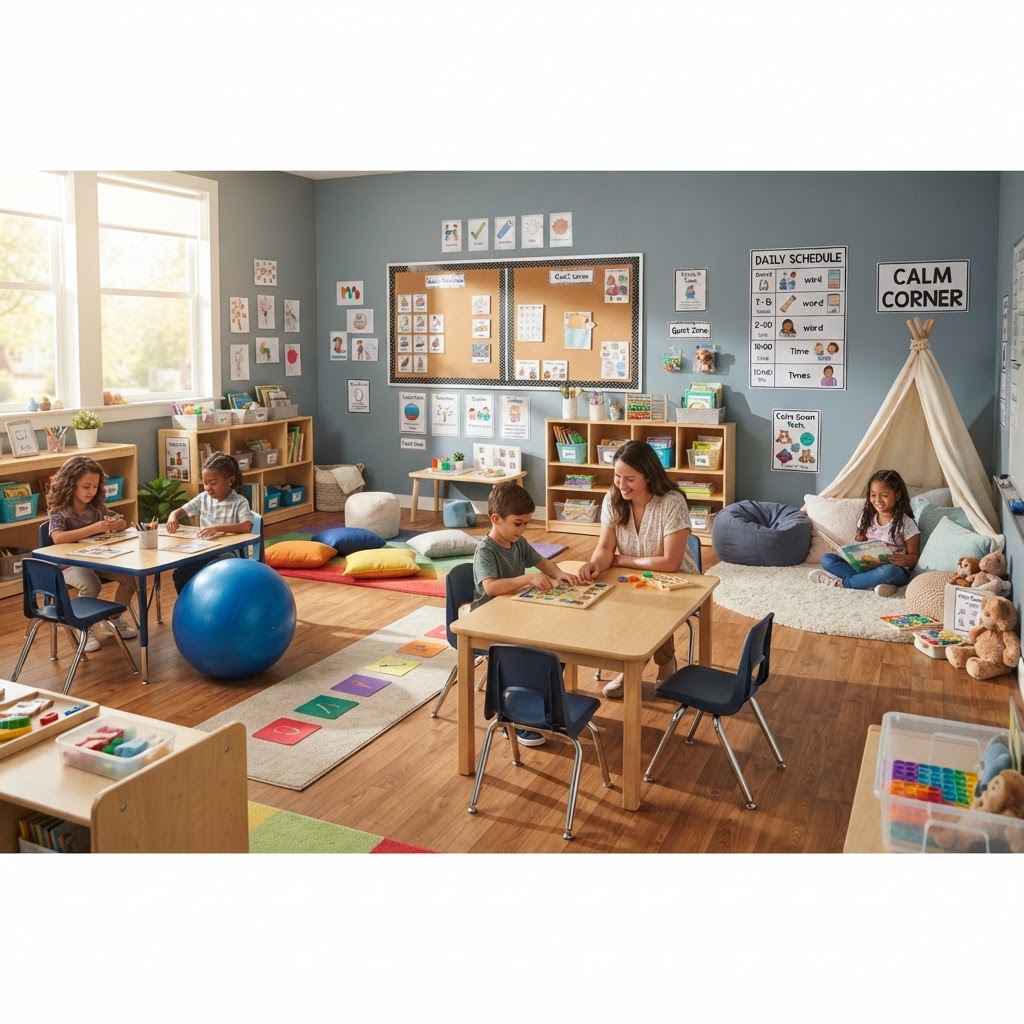
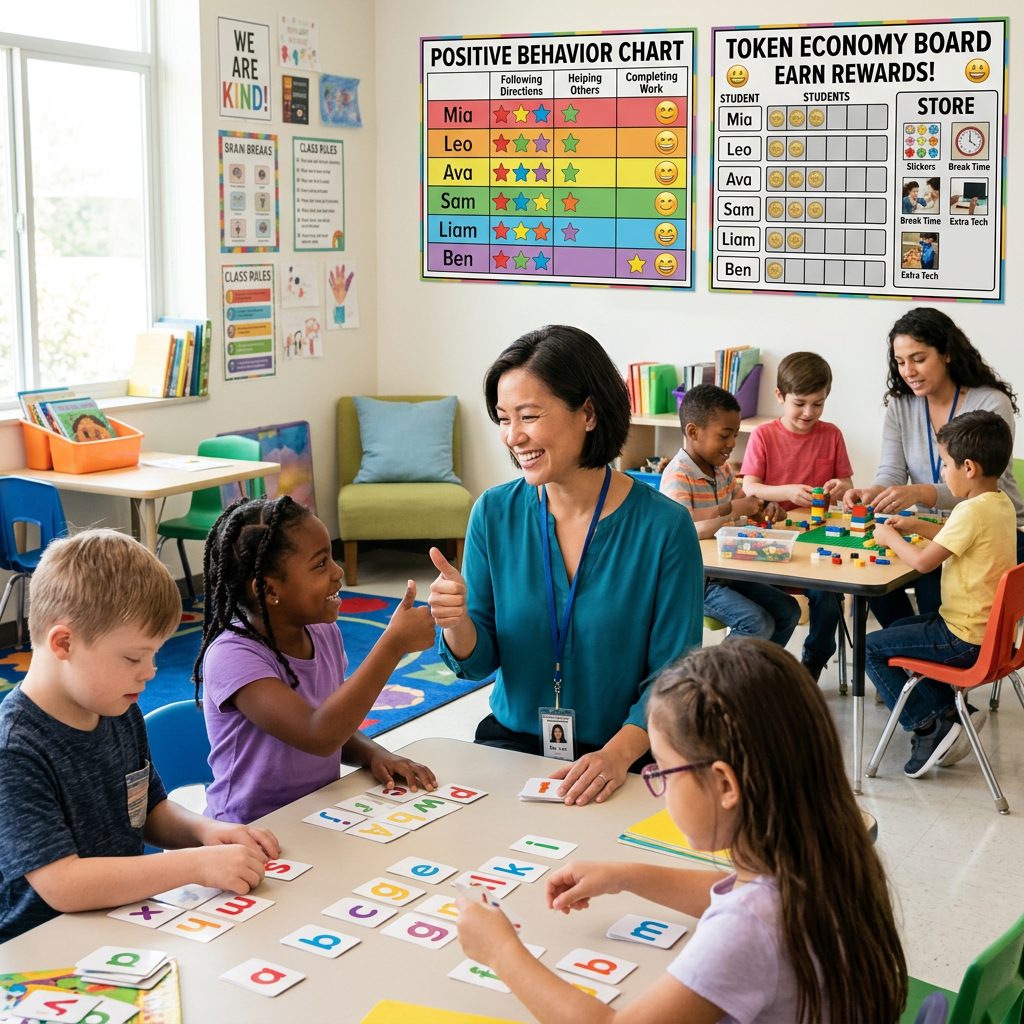
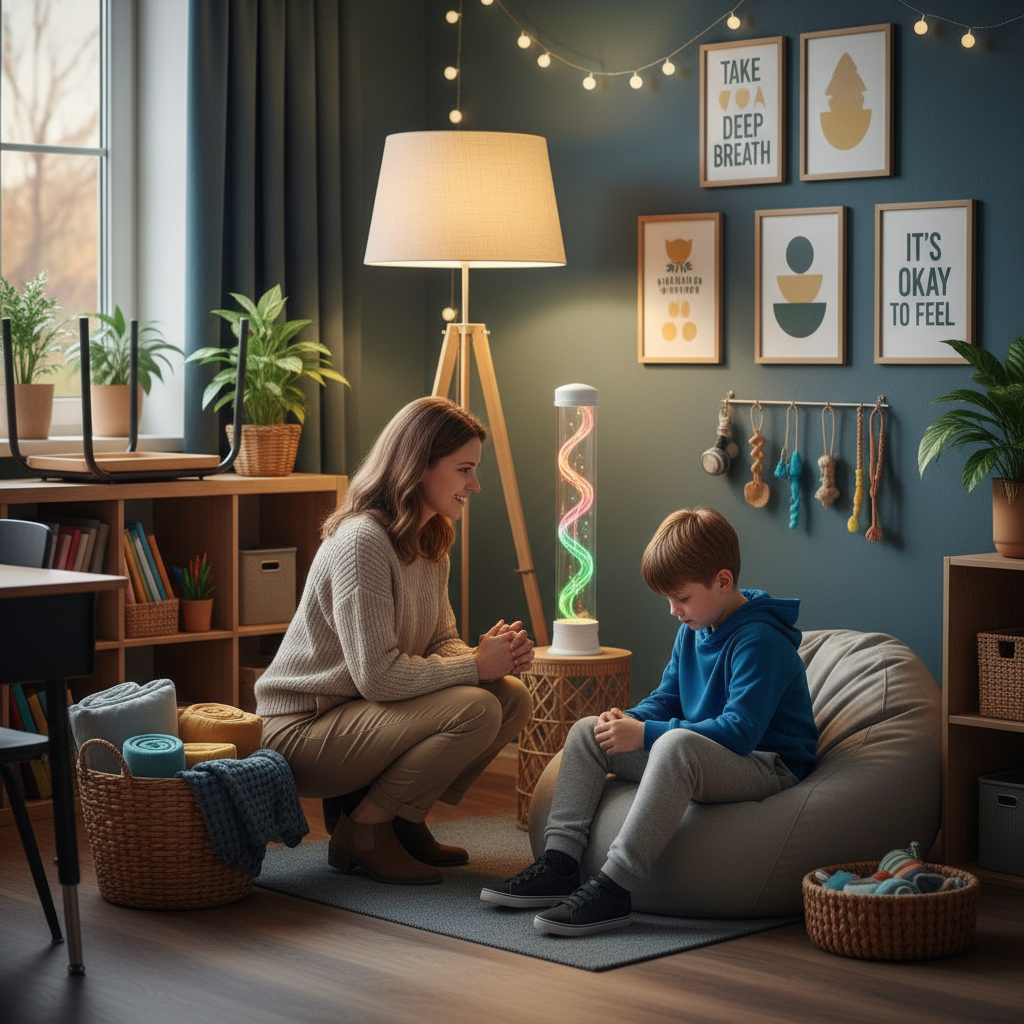
The best de-escalation happens before the crisis. During calm moments, build the skills and systems that prevent escalation: strong relationships, predictable routines, taught coping strategies, and a calm corner students know how to use proactively.
Phase 2: Trigger — Notice and Name
Identify the student's typical triggers: transitions, academic frustration, peer conflict, sensory overload, hunger, fatigue. When you see a trigger occur, respond early and quietly. A brief check-in ("I can see this is hard") and a small choice ("Want to take a break or keep going?") can redirect the trajectory.
💡 The 80% Rule
80% of de-escalation work is prevention. The strongest crisis response is the one you never need to use.
Phase 3: Agitation — Reduce Demands
The student is showing early signs of dysregulation — pacing, fidgeting, voice rising. This is the moment to reduce, not increase, demands. Common mistakes include repeating instructions louder, issuing warnings, or threatening consequences — all of which escalate.
Instead:
- Lower your voice and slow your pace
- Remove unnecessary audience (other students)
- Offer a break without requiring a verbal response
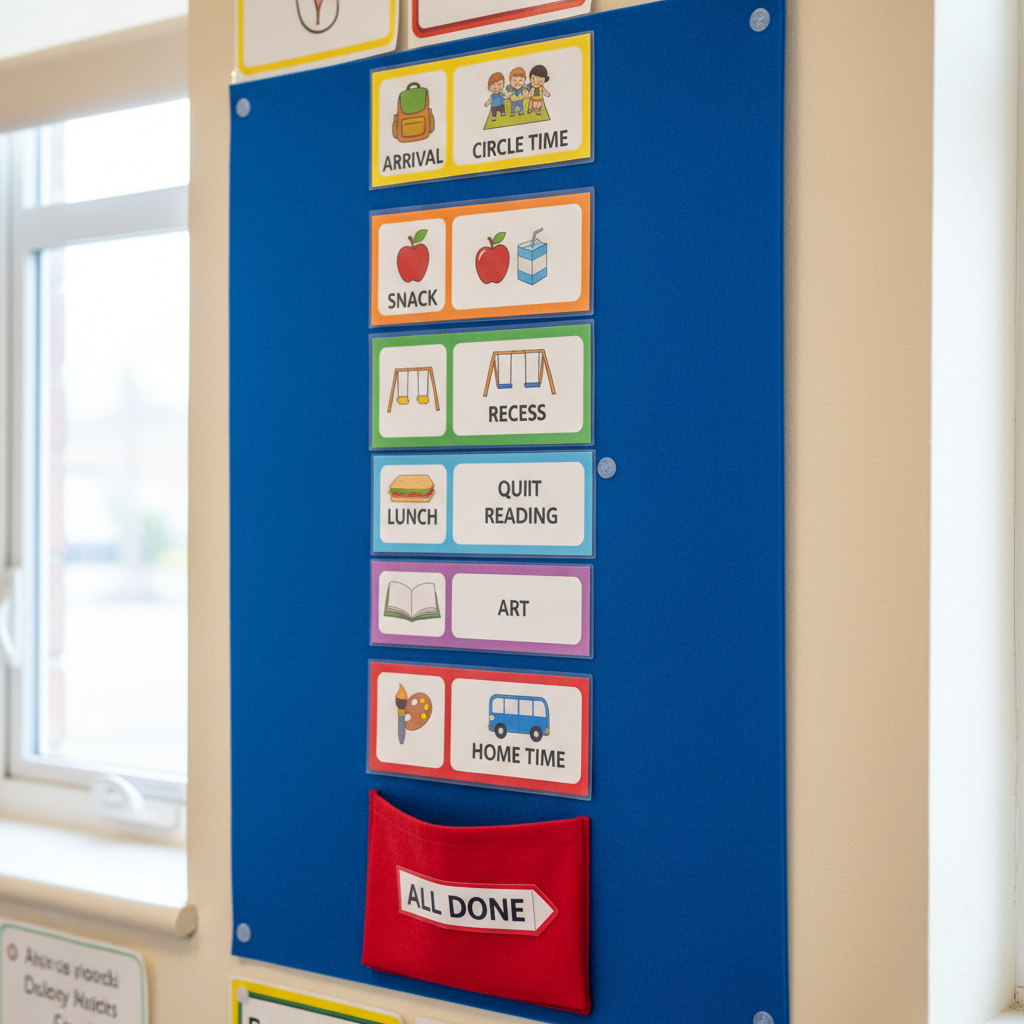
- Provide a single, simple visual choice
- Use co-regulation — your calm is contagious
📊 Escalation Triggers Most Common in Special Education Classrooms
Academic Frustration
Transitions
Sensory Overload
Peer Conflict
Unpredicted Change
Fatigue/Hunger
Phase 4: Acceleration — Disengage and Protect
The student is now visibly escalated — yelling, refusing, possibly throwing items. Reasoning will not work. Your job is to disengage from the conflict while maintaining safety.
- Stop talking — or speak only in short, calm phrases
- Give space — don't block exits or corner the student
- Remove other students from the area if possible
- Remove fragile or dangerous objects within reach
- Avoid power struggles — concede small battles to win the relationship
- Maintain a calm, non-threatening physical posture — side-by-side, not face-to-face
Phase 5: Peak (Crisis) — Safety First
This is the most dangerous phase. The student may be physically aggressive, eloping, or completely shut down. Your sole priorities are safety, dignity, and containment.
Follow your school's crisis response plan. This may include:
- Clearing the area of other students
- Calling for trained support (behavior specialist, administrator)
- Using physical intervention only if there is imminent danger and only if you are trained
- Documenting the incident for later functional analysis
- Never using restraint as punishment, for convenience, or as a first response
💡 Critical Reminder
A student in crisis is not giving you a hard time — they are having a hard time. Your calm presence is the most powerful intervention you have.
Phase 6: De-escalation — Re-engage Gently
The peak is passing, but the student is not yet calm. They may be emotionally exhausted, embarrassed, or still fragile. This is the most mishandled phase. The temptation is to immediately process the incident, demand an apology, or issue consequences. Don't.
Instead:
- Offer water, a quiet space, and time
- Resume a simple, familiar, low-demand routine
- Use neutral, non-judgmental language
- Avoid rehashing the incident — processing comes later, in recovery
- Reassure the student of your relationship: "You're safe. I'm still here for you."
📊 Most Effective De-escalation Strategies (Teacher Rated)
Co-regulation (Adult Calm)
Reduce Demands
Give Space
Remove Audience
Simple Choices
Visual Support
Phase 7: Recovery — Process and Plan
Only when the student is genuinely back to baseline — which may be hours later, or the next day — is it time to process. Keep it brief, non-punitive, and forward-looking:
- "What happened?" — let the student tell their story
- "What were you feeling?" — build emotional vocabulary
- "What could we do differently next time?" — co-create a plan
- Restore relationships with peers if needed
- Review and adjust the student's behavior plan based on what you learned

Self-Care for the Teacher
De-escalating a student in crisis takes an enormous toll on the adult. After an incident, you are also in a form of recovery. Acknowledge this. Take your own break, debrief with a colleague, and remember: the fact that you stayed calm and kept a child safe is a success, even if it didn't feel like one in the moment.
💡 Final Thought
You cannot control a student in crisis. You can only control yourself. Your regulated presence is the intervention.
Conclusion
De-escalation is not a script — it's a stance. It's the commitment to stay regulated when a student cannot be, to prioritize safety and dignity over compliance, and to trust that the relationship you build in calm moments is what carries you through the hard ones. Master the cycle, practice your own regulation, and you'll find that most crises never reach their peak — because you caught them early, responded calmly, and co-regulated a child back to safety.