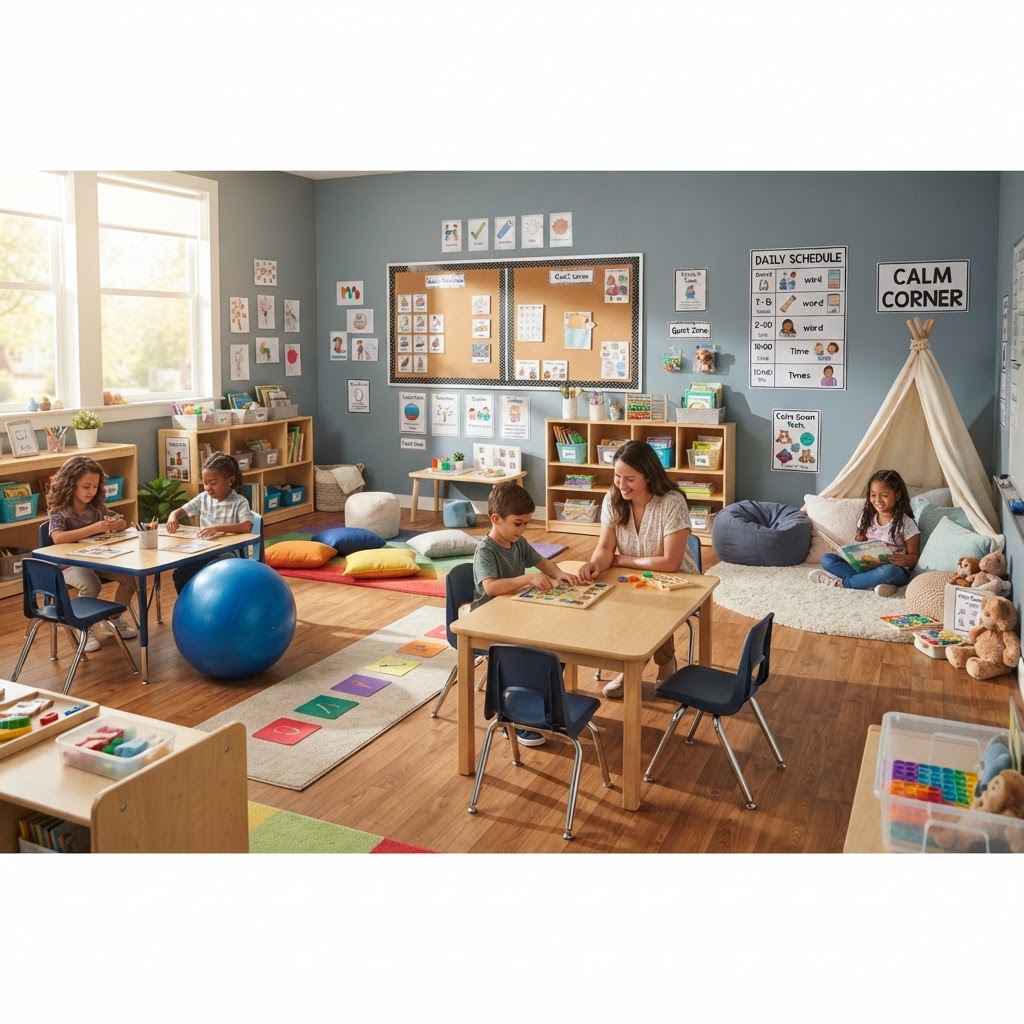
The most effective behavior management strategy is the one that prevents challenging behavior from occurring in the first place. Positive Behavior Interventions and Supports (PBIS) is a multi-tiered framework that does exactly that — and Tier 1 strategies are the universal supports that benefit every student in your classroom, regardless of their individual needs.
What Is Tier 1 in a Special Education Context?
Tier 1 represents the foundational, universal supports that are in place for all students. In a special education classroom, these supports are even more critical because they create a predictable, consistent environment that reduces anxiety and sets clear expectations. When Tier 1 is strong, research shows that 80–85% of students will respond well without needing additional interventions.
📊 PBIS Tier Effectiveness: Percentage of Students Responding
Tier 1 (Universal)
Tier 2 (Targeted)
Tier 3 (Intensive)
The Core Components of Tier 1
1. Clear, Positively-Stated Expectations
Define 3–5 broad expectations and state them positively. Instead of "No running," say "We walk safely in the classroom." Post them visually with pictures and words, teach them explicitly, and reference them constantly.
- Be Safe — bodies calm, hands to self, walking feet
- Be Respectful — kind words, listening ears, sharing materials
- Be Responsible — try your best, follow directions, take care of our space
2. Explicit Teaching of Expected Behaviors
Don't assume students know what "be respectful" looks like in the lunchroom versus the classroom. Teach expectations for every setting and routine — entering the room, transitions, group work, bathroom procedures — using modeling, role-play, and practice.
💡 Key Principle
If a student doesn't know how to read, we teach. If a student doesn't know how to behave, we teach. Behavior is a skill, not a character flaw.
3. A Consistent Acknowledgement System
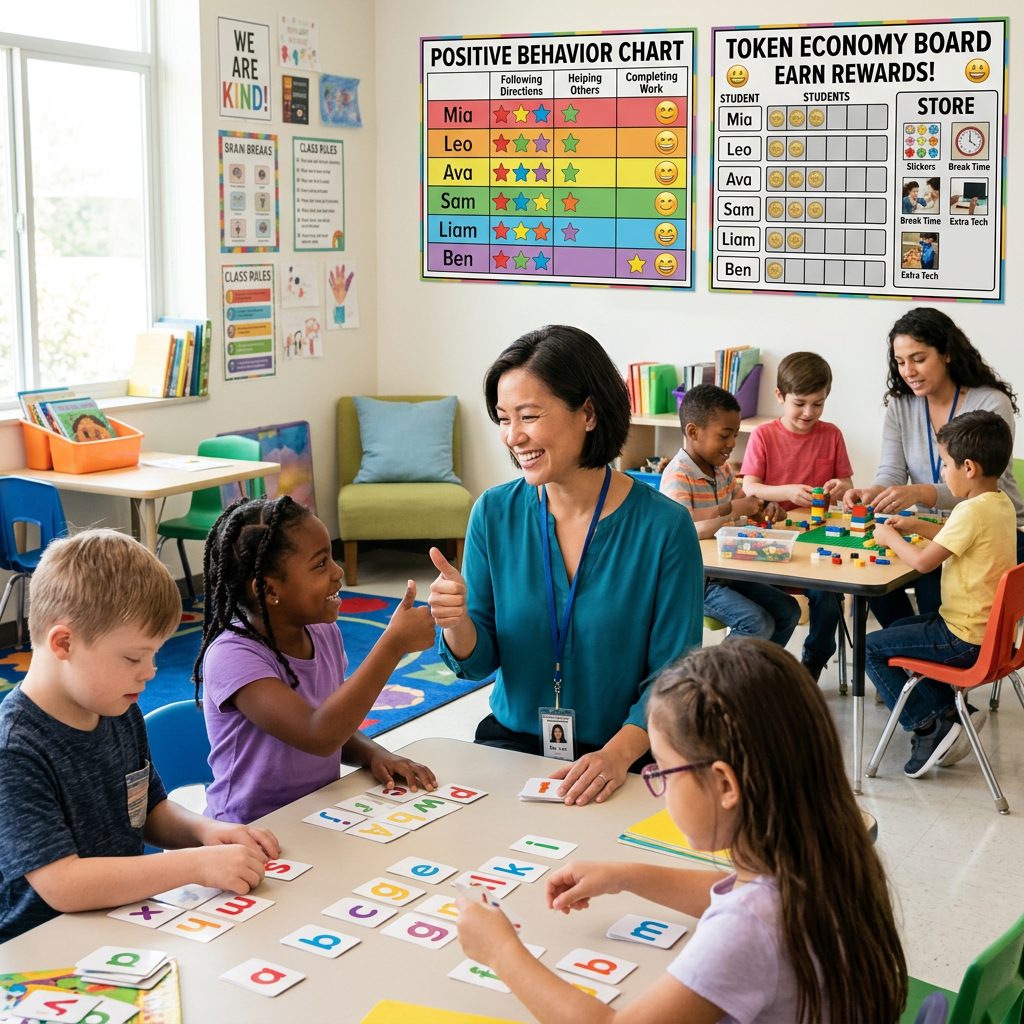
Reinforce expected behaviors with a system that is predictable, fair, and meaningful. Common Tier 1 acknowledgement systems include:
- Token economies — students earn tokens for expected behaviors, exchange for rewards
- Class-wide goals — the whole class works toward a shared celebration
- Specific praise — "I noticed you waited patiently for your turn" beats a generic "good job"
- Behavior-specific praise — name the behavior, not just the student
📊 Reduction in Disruptive Behaviors After Implementing PBIS
Year 1
Year 2
Year 3
Year 4
Year 5

4. Predictable Routines and Schedules
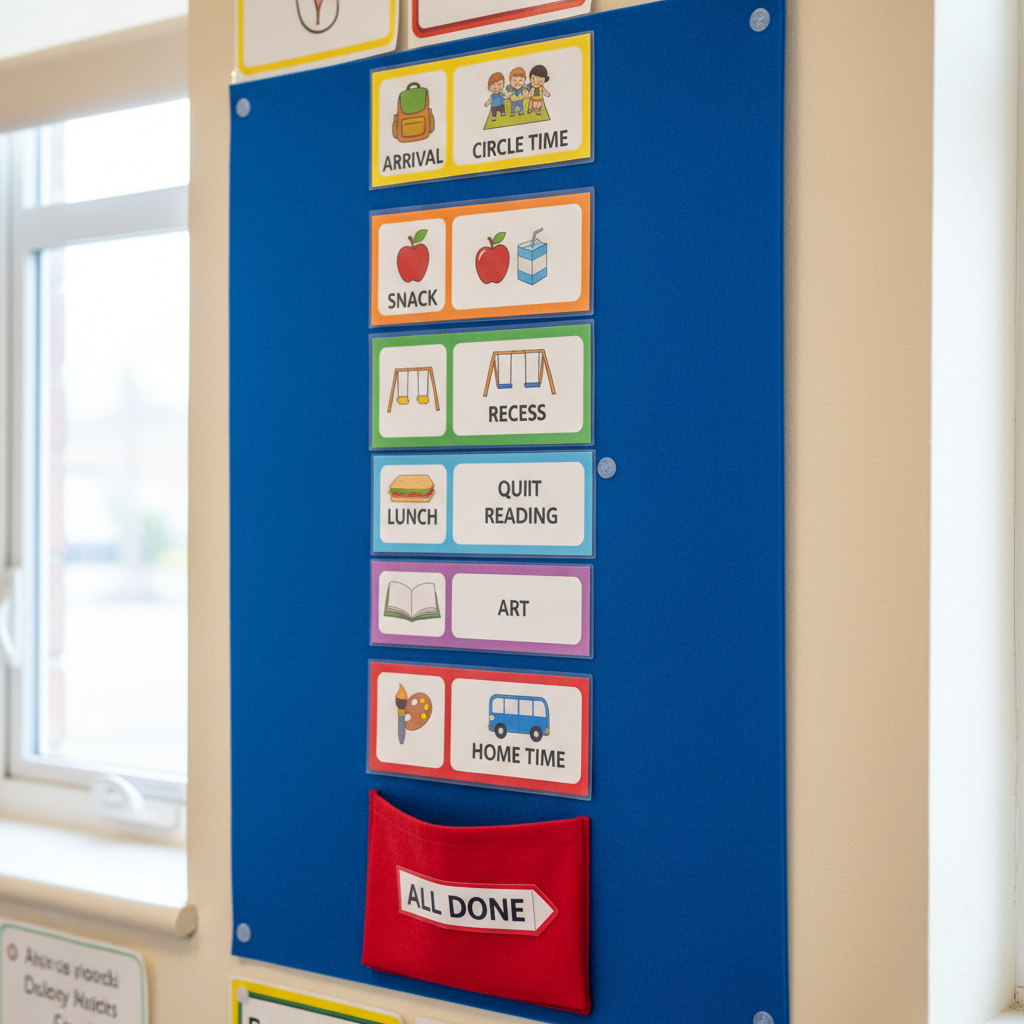
Predictability reduces anxiety, and reduced anxiety reduces challenging behavior. Post a visual daily schedule, use transition warnings ("In 2 minutes we'll clean up"), and maintain consistent sequences for activities. When changes are necessary, preview them.
5. Active Supervision
Position yourself where you can see all students. Scan the room continuously. Greet students at the door. Precorrect before transitions. The goal is to catch students being good — and intervene early before minor issues escalate.
When Tier 1 Isn't Enough
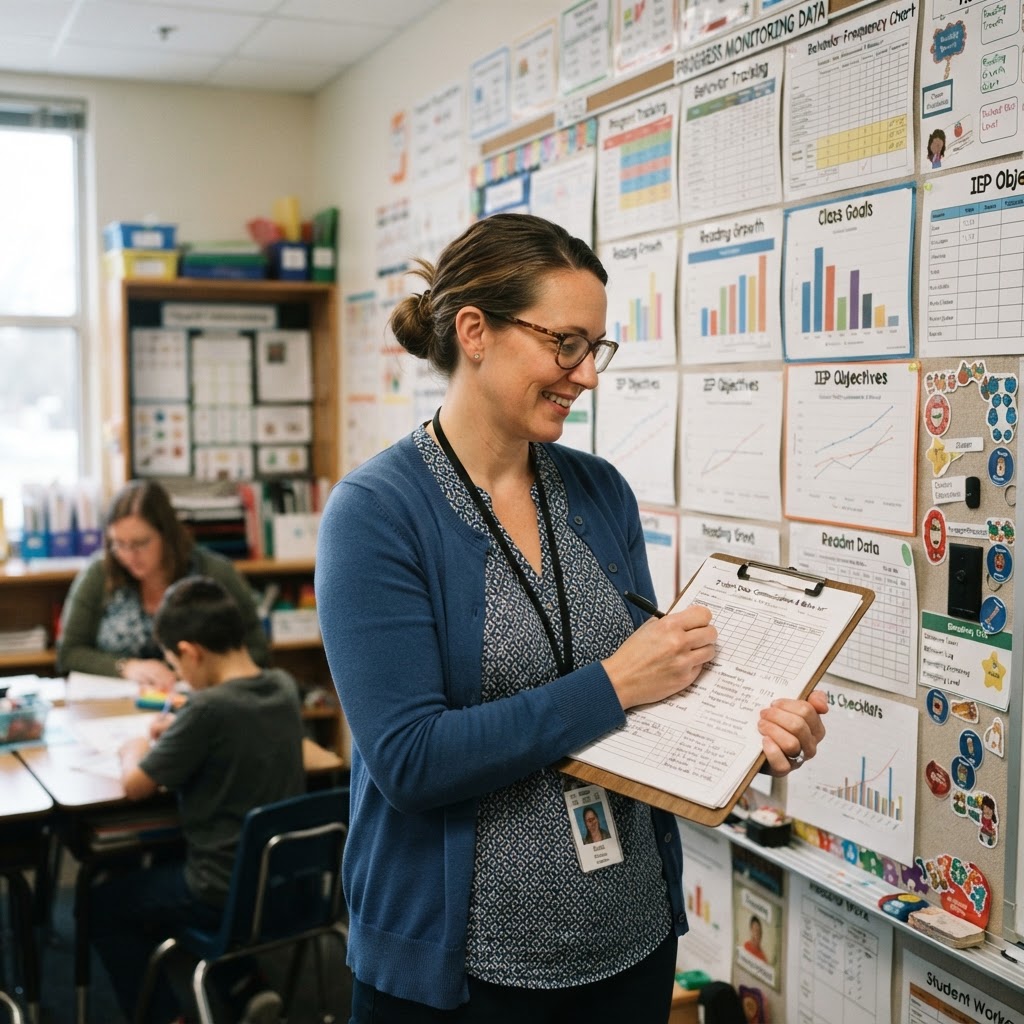
Despite a strong Tier 1, some students will need more. The key is data. If a student's behavior data shows they're not responding to universal supports, move to Tier 2 — targeted, small-group interventions like Check-In/Check-Out, social skills groups, or a simple behavior contract. A small percentage will need Tier 3 — intensive, individualized, function-based plans.
📊 Tier 1 Strategies Teachers Find Most Effective
Specific Praise
Visual Schedules
Token Economy
Active Supervision
Precorrection
Class Goals
Common Tier 1 Mistakes to Avoid
- Posting expectations without teaching them — a poster on the wall doesn't change behavior
- Inconsistent acknowledgement — if reinforcement is unpredictable, it loses power
- Over-reliance on punishment — punishment suppresses behavior temporarily but doesn't teach replacement skills
- Ignoring the function of behavior — even at Tier 1, understanding why a behavior occurs matters
💡 The Bottom Line
Tier 1 is not a set-it-and-forget-it system. It requires ongoing teaching, consistent implementation, and regular review of data to ensure it's working for every student.
Conclusion
A strong Tier 1 is the bedrock of effective special education behavior support. When universal expectations are clear, taught, acknowledged, and consistently applied, most students thrive — and the students who need more become much easier to identify and support with targeted interventions. Invest in your foundation, and everything built on top of it becomes stronger.