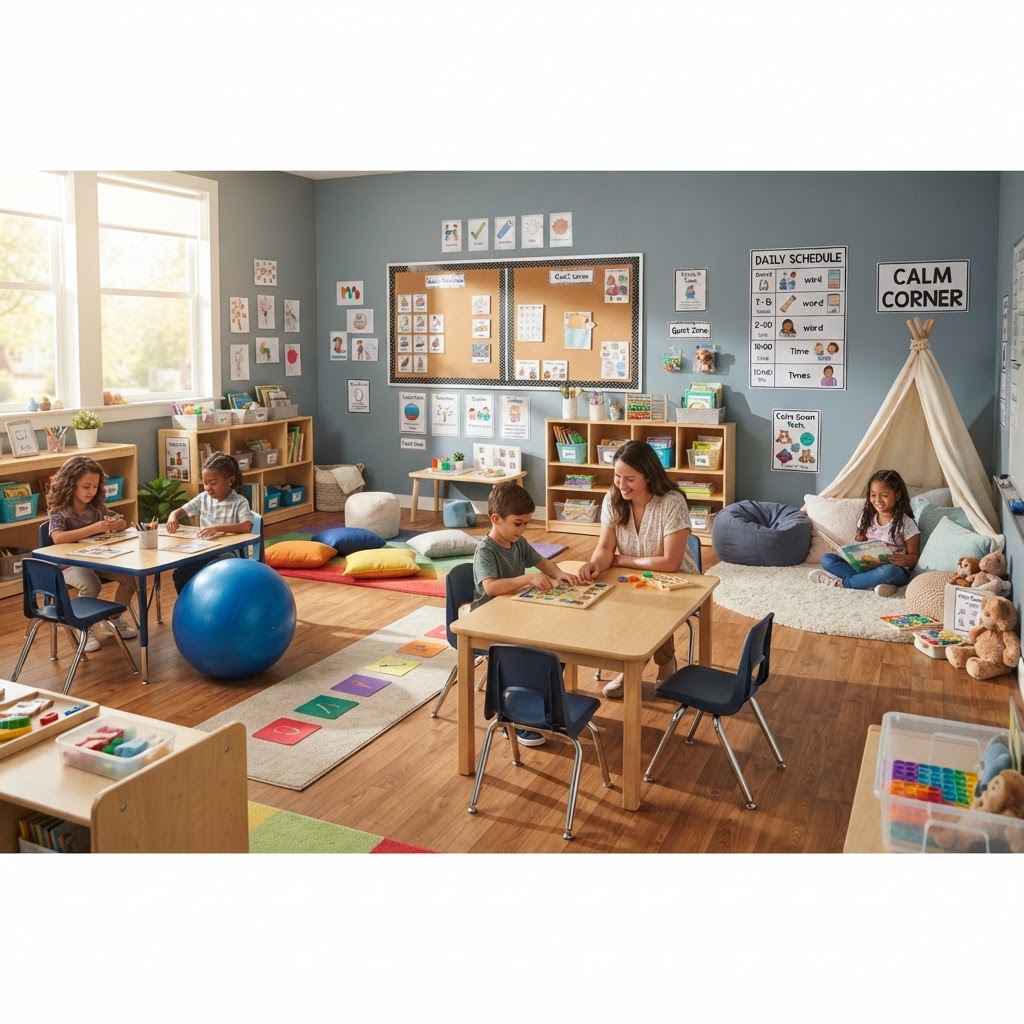
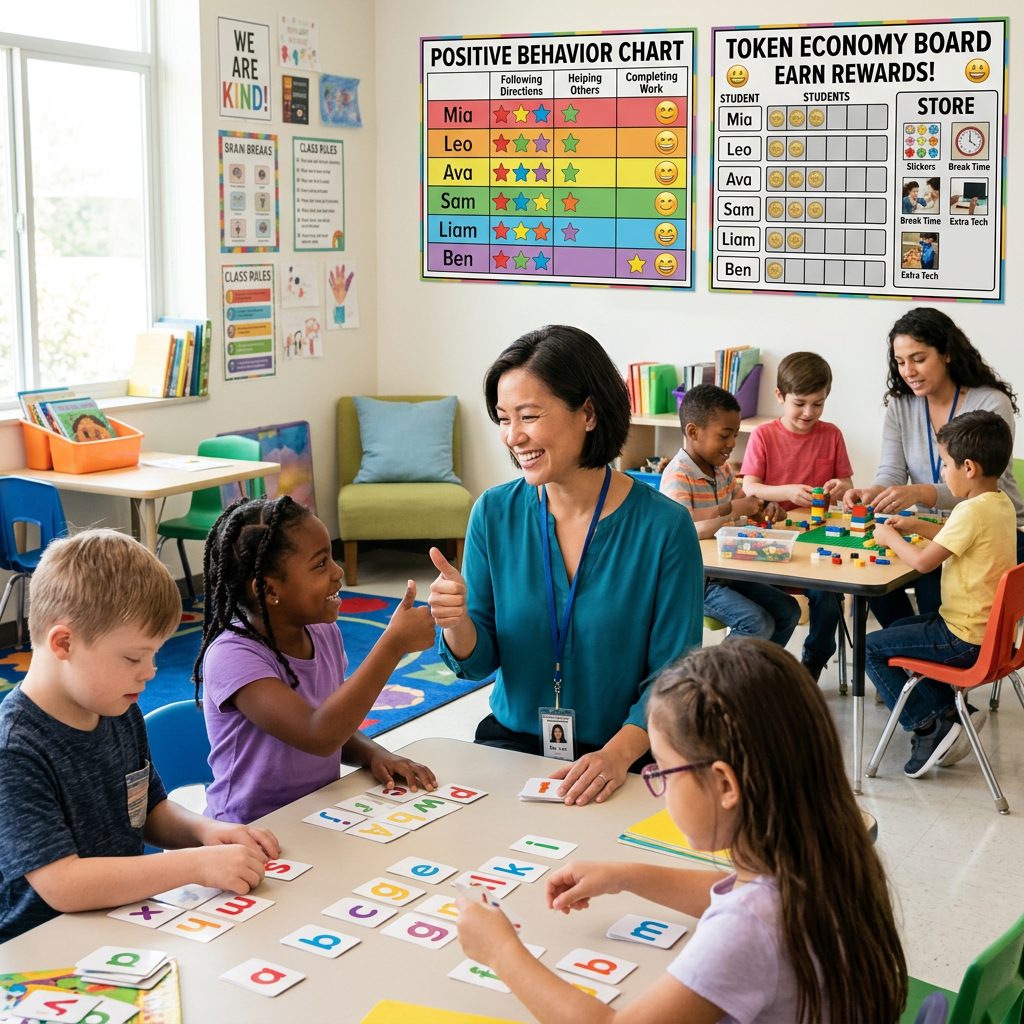
In a special education classroom, no two students learn the same way. One student needs repeated phonics practice while another is ready for chapter books. One needs a movement break every fifteen minutes while another works best in sustained silence. Differentiated instruction is the practice of meeting students where they are — and managing a classroom where multiple learning pathways coexist simultaneously without descending into chaos.
The Core Principle: Same Standard, Different Pathways
Differentiation is not about lowering expectations. It's about providing different routes to reach the same meaningful learning goal. The what students learn remains ambitious; the how, the with what support, and the at what pace flex based on individual need.
📊 Learning Modality Distribution in Special Education Classrooms
Visual Learners
Kinesthetic
Auditory
Read/Write
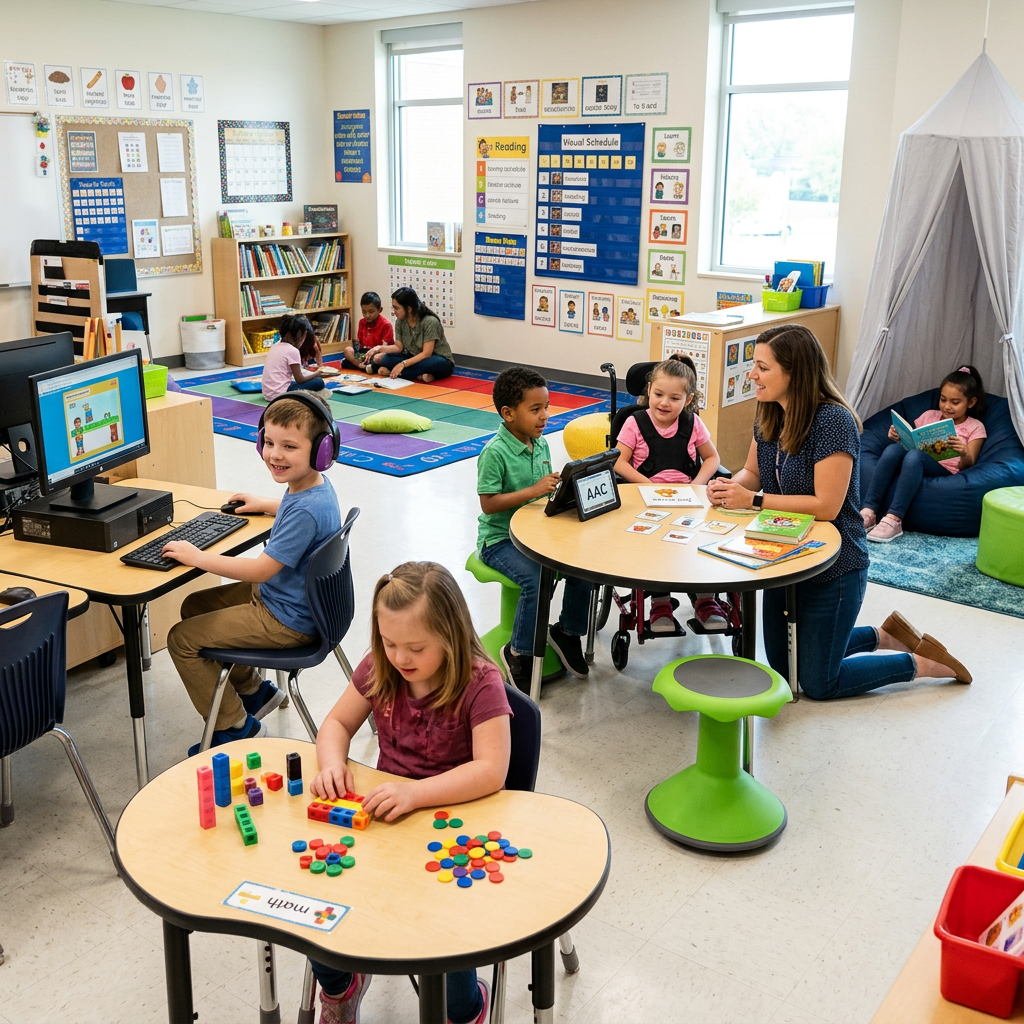
The Four Dimensions of Differentiation
1. Differentiate Content — What Students Learn
Provide varied entry points to the same topic. Students can access the same concept through leveled texts, audio recordings, videos, hands-on manipulatives, or teacher-led small groups. The key is that every student engages with the same essential understanding — just through different materials.
- Leveled reading materials on the same topic
- Audio versions of texts for auditory learners
- Visual graphic organizers for students who need structure
- Pre-teaching vocabulary for students who need frontloading
2. Differentiate Process — How Students Learn
This is where classroom management becomes critical. If every student is doing the same thing at the same time, differentiation is impossible. Use structures that allow multiple processes to happen simultaneously:
- Station rotation — students cycle through different activity types
- Tiered activities — same concept, different levels of scaffolding
- Choice boards — students select how they demonstrate learning
- Flexible small groups — groups change based on the skill and the day
📊 Most Used Differentiated Instruction Strategies
Small Groups
Visual Supports
Tiered Tasks
Choice Boards
Station Rotation
Leveled Texts
3. Differentiate Product — How Students Show What They Know
Not every student needs to demonstrate understanding through a written test. Offer multiple pathways to show mastery: oral presentations, projects, portfolios, visual demonstrations, or technology-based products. The assessment target stays the same; the format flexes.
4. Differentiate Environment — Where and How Students Work
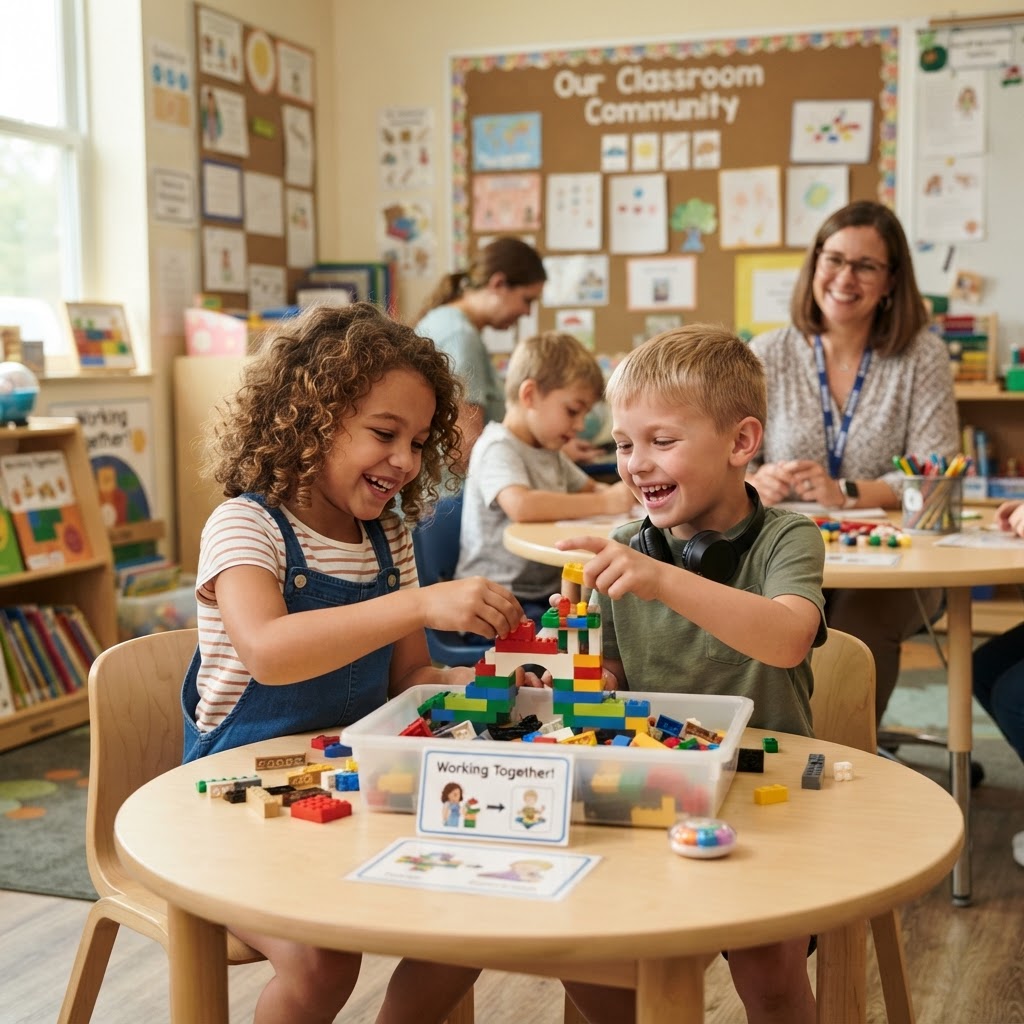
The physical setup of your room enables or constrains differentiation. A classroom with flexible seating, clearly defined zones, and accessible materials makes it possible for students to work independently while you focus on a small group.
💡 Management Tip
The success of differentiation rests on routines. If students don't know exactly what to do, where to go, and what to do when they're stuck — your small group will be constantly interrupted. Teach the routines first; differentiate second.
Managing the Chaos: Making It Work
The biggest fear teachers have about differentiation is that it will lead to chaos. It won't — if you build the structures that make it manageable. Here's the framework:
Anchor Activities
Have a consistent set of independent activities students can go to anytime they finish work or are waiting for the next rotation. These should be meaningful, not busywork: independent reading, math fact practice, writing journals, or content review games.
Clear Visual Management
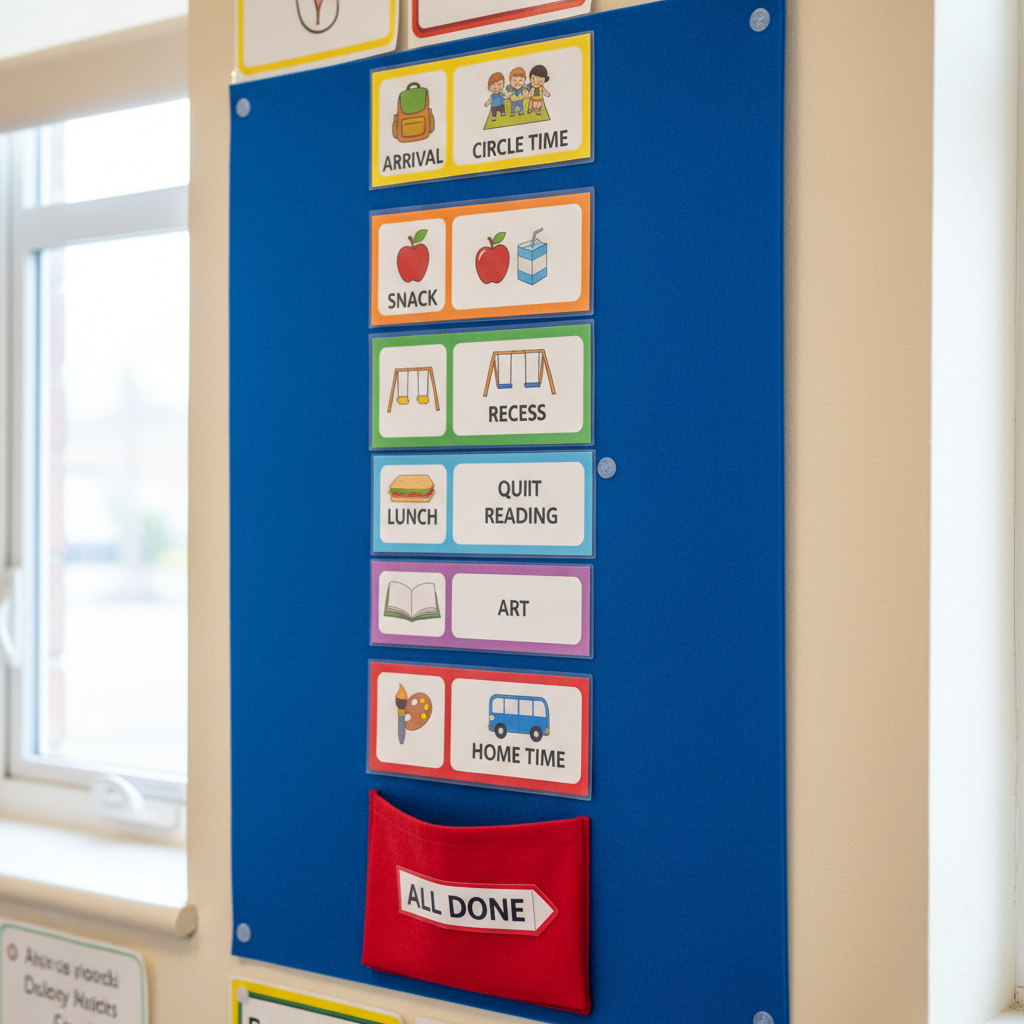
Post a rotation schedule visually so students always know where they are and where they're going. Color-code groups and stations. Use visual timers so students can see how much time remains in each rotation.
"Ask Three Before Me"
Teach students to seek help from peers before interrupting your small group. This builds independence and collaboration. Establish clear visual cues for when it's truly okay to approach the teacher.
📊 Time Distribution in a Well-Managed Differentiated Block (60 min)
Mini-Lesson
Station 1
Station 2
Station 3
Wrap-Up
The Role of IEPs in Differentiation
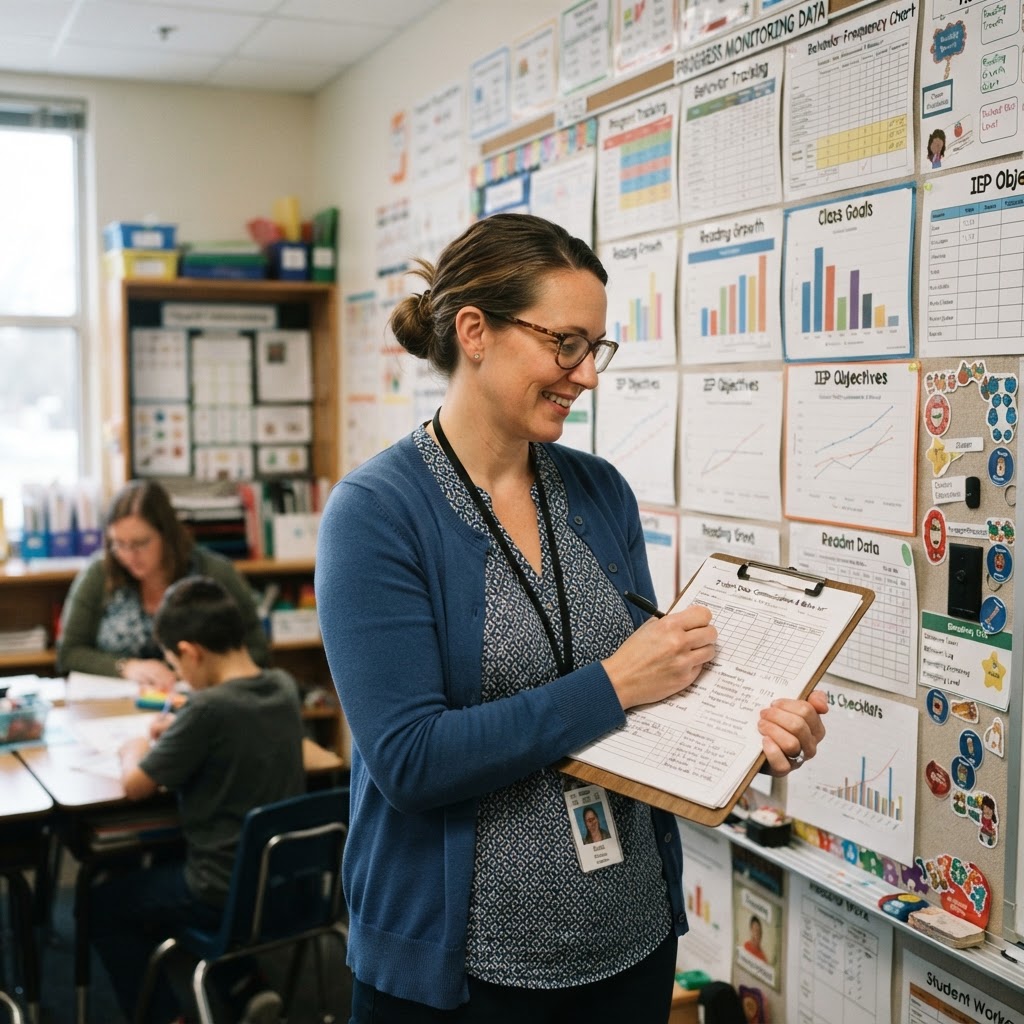
Every student in your classroom has an IEP — and that document is your roadmap. It tells you what accommodations and modifications are legally required and pedagogically necessary. The most effective differentiation is not improvised; it's planned from the IEP:
- Map each student's accommodations into your weekly planning
- Group students with similar needs when possible — but don't let IEPs become the only grouping criterion
- Use IEP goals to inform your small-group instruction focus
- Collect data on IEP goals regularly, not just at progress report time
Start Small: A Realistic Entry Point
If you're new to differentiation, don't try to differentiate everything at once. Pick one subject, one block, one dimension. Master station rotation in math for two weeks. Add a choice board in writing next month. Build the routines slowly. Differentiation is a marathon, not a switch you flip.
📊 Teacher Confidence in Differentiated Instruction Over Time
Year 1
Year 2
Year 3
Year 4
Year 5+
💡 The Promise
When differentiation works, every student is learning at the edge of their ability — challenged, supported, and seen. That's the classroom we're all trying to build.
Conclusion
Differentiated instruction in a special education classroom is demanding — but it is the only approach that honors the reality that your students are not the same. By differentiating content, process, product, and environment; by building the management structures that make simultaneous learning pathways possible; and by grounding every decision in IEPs and data, you create a classroom where every student has a place to grow. It won't look like a traditional classroom — and that's exactly the point.