Insights, inspiration, and practical advice for modern educators.
Meta-analyses and a study of nearly 700,000 student records now agree: students using free, openly licensed materials learn as well or better — and the design freedom is the real prize.
Bastien Dolce
Sep 25, 2026 · 8 min read
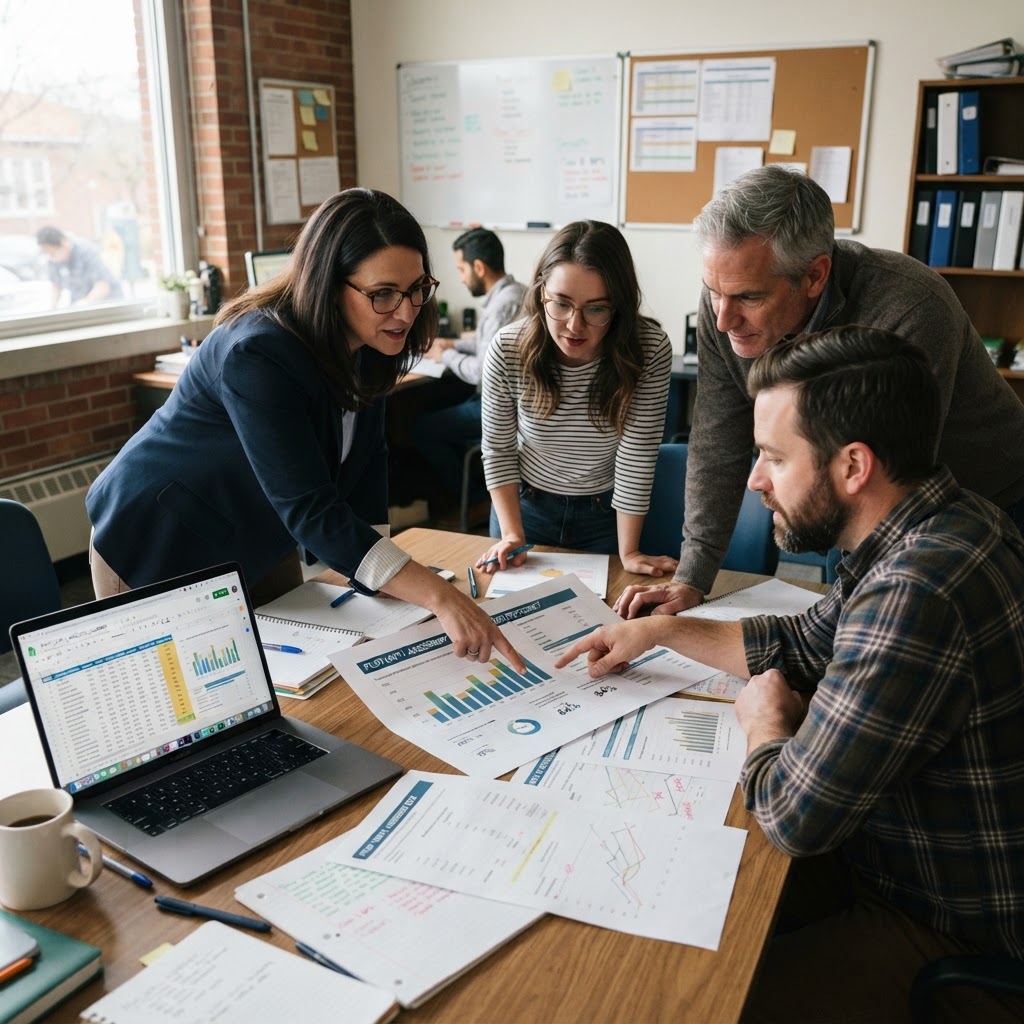
A curriculum is never finished. Here is the annual evaluation cycle — evidence, judgment, revision — that separates curricula that improve from curricula that merely repeat.
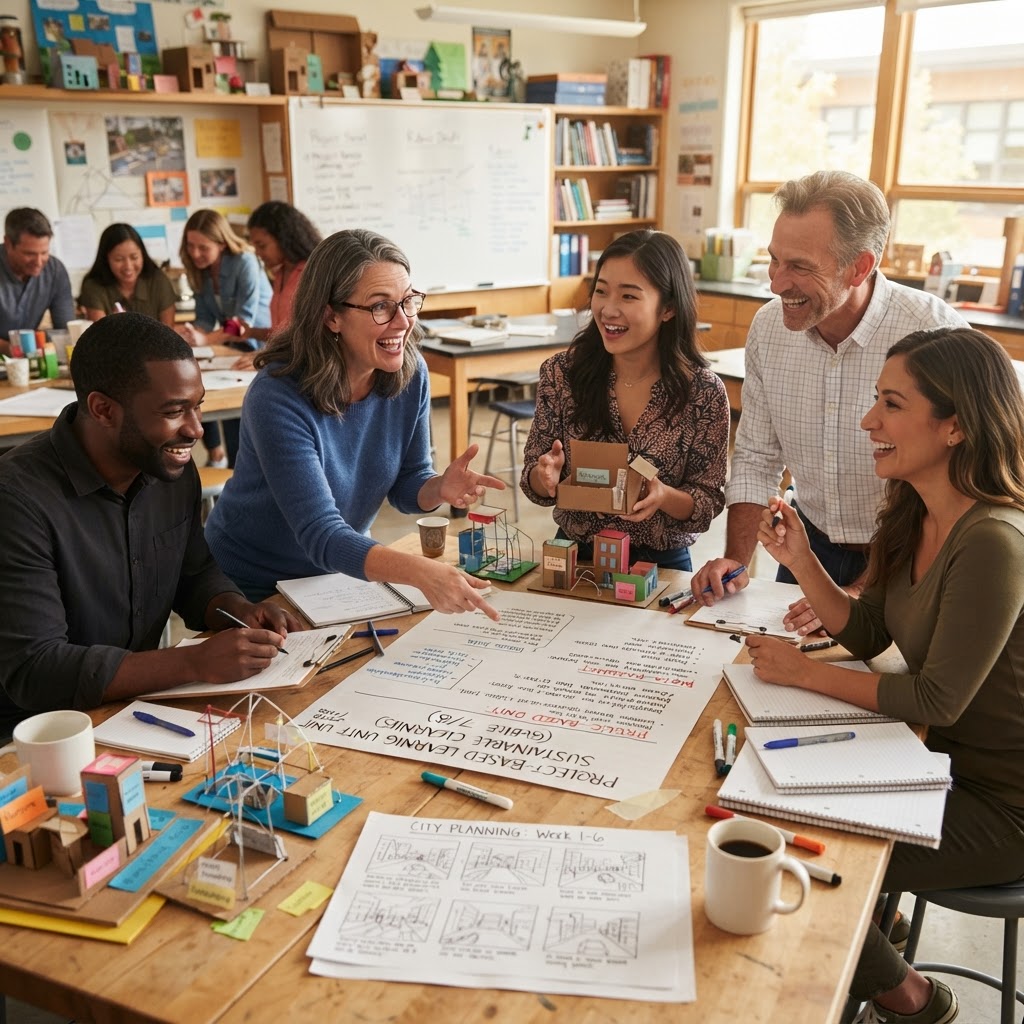
The research is clear that the textbook is a resource, not a curriculum. Here is a sane, sustainable process for teachers and teams who design their own — and the traps to avoid.
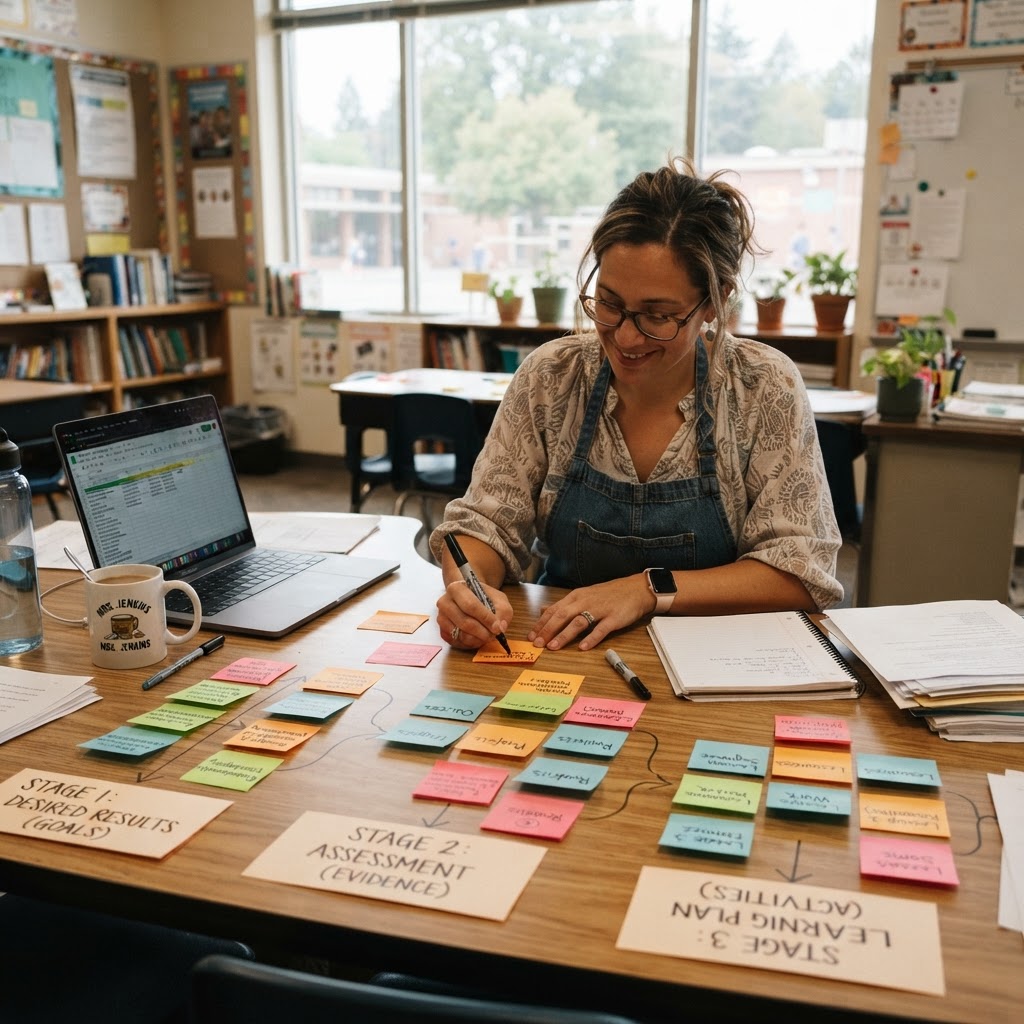
Wiggins and McTighe's Understanding by Design flips curriculum planning: decide the learning first, the evidence second, the activities last. Here is how to run the three stages.
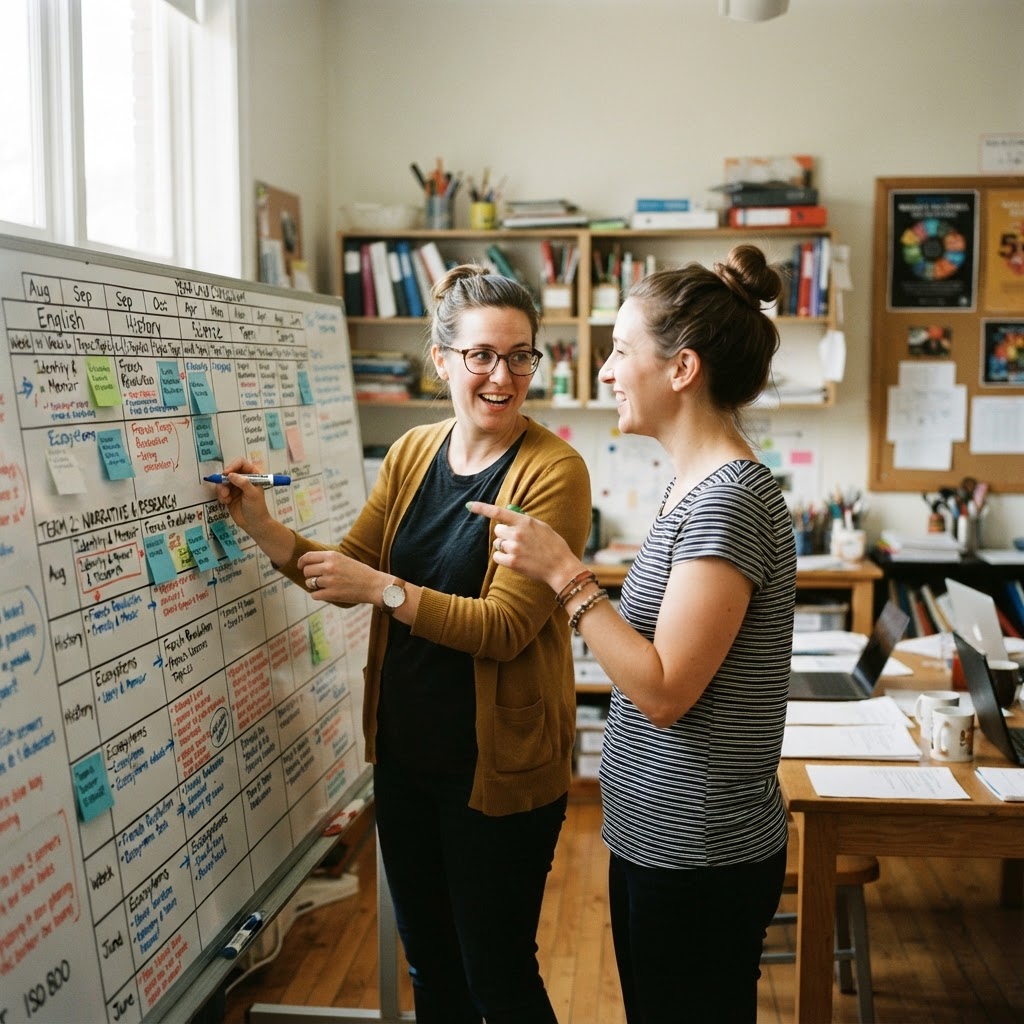
A curriculum map is a one-page answer to the question every course quietly dreads: what happens when, and why? Here is how to build one that actually guides teaching.
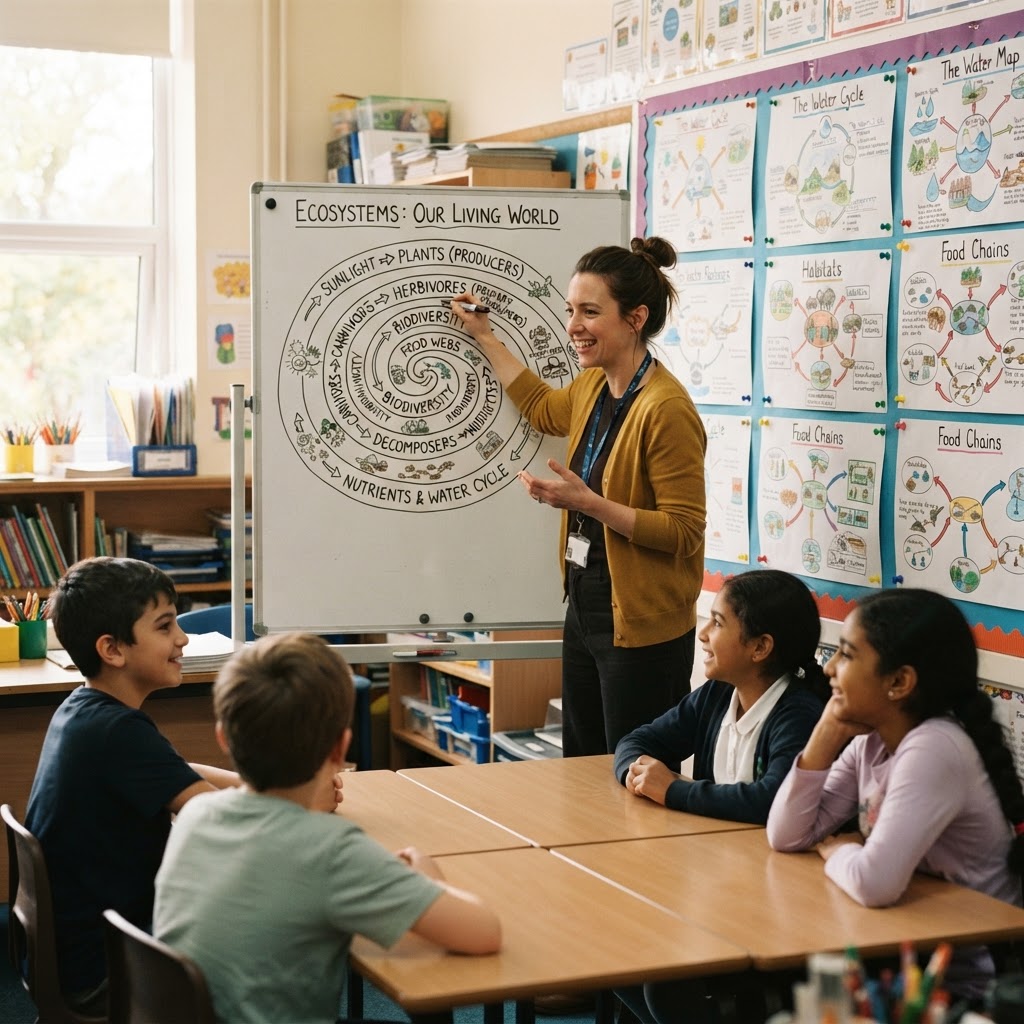
Bruner's spiral curriculum revisits core concepts with increasing depth — and modern cognitive science on spaced practice explains exactly why it works.
John Biggs' constructive alignment is the quiet discipline behind every coherent course: the objective, the assessment, and the activity must all describe the same verb.
Randomized controlled trials now show project-based curriculum can outperform traditional instruction on AP exams and state tests. Here is what the curricula that won actually did.
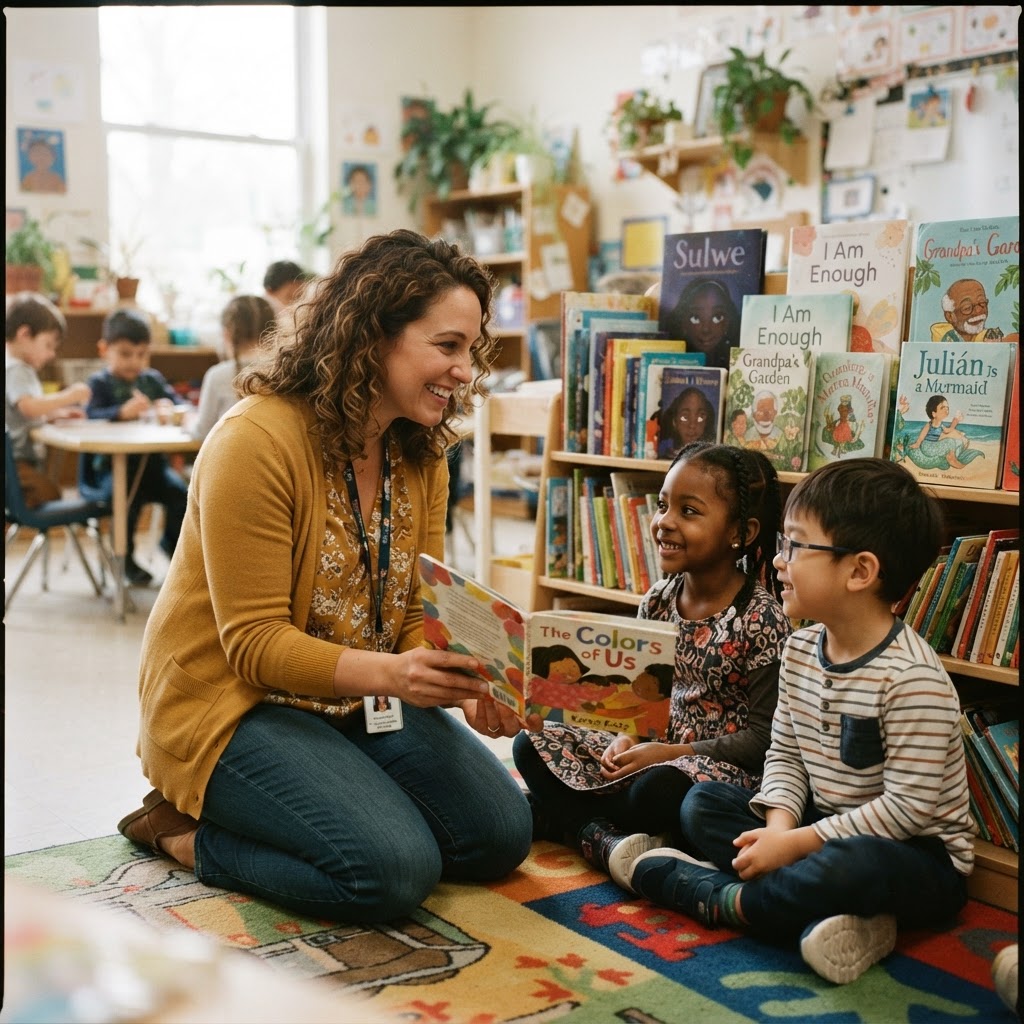
From Ladson-Billings' pioneering work to today's classroom studies, research shows curriculum that reflects students' lives changes engagement, belonging, and achievement.